Bring your own topic or pick one from our 53 final year project ideas for computer science. A B.Tech project typically takes 1–3 weeks, with a fixed quote after a free consultation.
What do you get with a final year project?
Your topic and features are fixed in the consultation, and everything you choose is listed in the quote.
| Deliverable | What it covers | Format |
|---|---|---|
| Topic and synopsis | Two or three topics that suit your branch and team, and a synopsis for approval | Word or PDF |
| Source code | The full project with a setup guide, running on your laptop. The code is yours alone, never shared or resold | Python, Java, JavaScript and others |
| Working demo | End to end, with a short script of what to show in each review | Live on your laptop |
| Black book | Your college’s format: UML or DFD diagrams, screenshots, testing and references | Word and PDF |
| PPT | Slides for each review and the final presentation | PowerPoint |
| Viva prep | A code walkthrough and common viva questions, covering each member’s part | Walkthrough session |
| Research paper | Only if your college requires one | IEEE or journal format |
| Timeline | Typically 1–3 weeks, depending on scope and review dates | Fixed in your plan |
| Support | Changes asked for in reviews, within the agreed scope | Until your final review |
Timelines are typical ranges; your plan has the real dates. Only need the documents for a project you built? See final year project report and black book help.
Who are these projects for?
- B.Tech and B.E. students in CSE and IT, and in AI & ML and Data Science, doing a final year major project.
- Third-year students who need a mini project.
- Teams of two to four who need a clear part for each member.
- Students with or without a topic: bring an approved one, or start from the ideas below.
Doing an M.Tech or M.E.? See M.Tech projects for CSE. Need a project based on a published paper? See IEEE projects for final year. In ECE or EnTC? See final year projects for ECE, or IoT projects for final year if you want to build hardware.
How do you choose a final year project topic?
A good final year project is one you can finish, demo in ten minutes and explain without notes. Check your idea against five questions.
- Can you get the data? Use public datasets or data your app creates. Avoid topics that need hospital or bank records.
- Can it be shown live? A working demo is easier to present than accuracy numbers alone.
- Does it fit your skills? Pick a stack at least one member already knows.
- Does it fit the semester? Three core features done well beat ten half-built ones.
- What is your twist? A local dataset, an explanation screen, offline mode or a two-model comparison.
Which final year project is best for CSE students?
Choose the project your team can finish, demo in ten minutes and defend in the viva, not the one with the most impressive title. For most CSE and IT teams in 2026–27 that means an AI or data science project on public data, a web app people can actually use, or a security, cloud or blockchain build with a clear reason to exist. The table gives two or three topic ideas per domain; each links to a full write-up with the stack, a dataset and a viva angle.
These are suggestions to discuss with your guide. Our delivered work is in the case studies.
| Domain | Topic ideas | Full list |
|---|---|---|
| AI and machine learning | Heart-disease risk checker that explains itself · Crop recommender that checks the forecast · Credit-risk model with a fairness audit | AI and ML project ideas |
| Web and mobile apps | Clash-free timetable generator · Canteen pre-order with UPI checkout · Live college-bus tracker | web and app project ideas |
| Cybersecurity | Malware detector from file features · Passwordless login with passkeys · SSH brute-force detector | cybersecurity project ideas |
| IoT | Appliance energy monitor with a clamp sensor · Water-tank level monitor and pump control · Classroom CO2 and ventilation monitor | IoT project ideas with the hardware named |
| Blockchain | Land-record transfer prototype · Farm-to-shop traceability with QR codes · Commit-reveal e-voting | blockchain project ideas |
| Cloud and DevOps | CI/CD pipeline with GitOps · Serverless image pipeline · Autoscaling on request rate, not CPU | cloud and DevOps project ideas |
| Data science | IPL match analytics and win probability · Mandi price forecaster · UPI growth dashboard | data science project ideas |
Every idea above is a starting point, not a finished project. Your guide and syllabus decide what is acceptable.
The complete final year project list for CSE and IT has 53 ideas, each with its stack and dataset. For AI in more depth, see the machine learning projects for final year; for other branches, our final year project ideas sorted by branch.
How does it work, from topic to final review?
Four steps, in this order. Nothing is paid before step 2 is agreed.
Free consultation
Your branch, team size, topic (or ask for ideas) and review dates.
Plan and fixed quote
Topic, features, tech stack, deliverables and dates in writing, at one fixed price.
Build and review
You see the app running at each milestone. Review changes within the scope are included.
Handover and viva prep
Code, black book and PPT, then a walkthrough so every member can explain their part.
Our work is building, guidance and explanation. Use it to learn how the project works and to prepare your own submission, and check what your college and university allow.
What is the difference between a mini project and a major project?
A mini project checks that you can build something. A major project checks that you can design, test and document a complete system.
| Aspect | Mini project | Major project |
|---|---|---|
| When | Usually third year | Final year, over one or two semesters |
| Scope | One or two core features | A complete system with several modules |
| Technology | One stack, often without a trained model | Often an app, a backend and a model together |
| Report | A short report | A full black book with diagrams, testing and references |
| Evaluation | A demo and a short viva | Several reviews, a final demo and an external viva |
This varies by university. Your syllabus and guide decide.
What does our build quality look like?
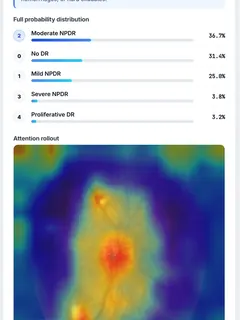
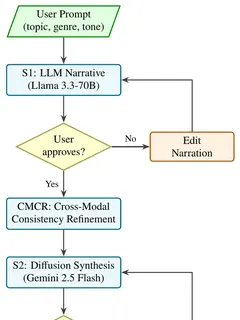
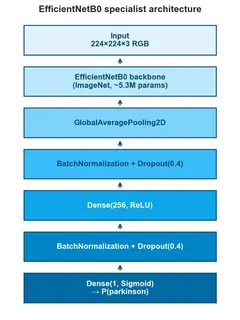
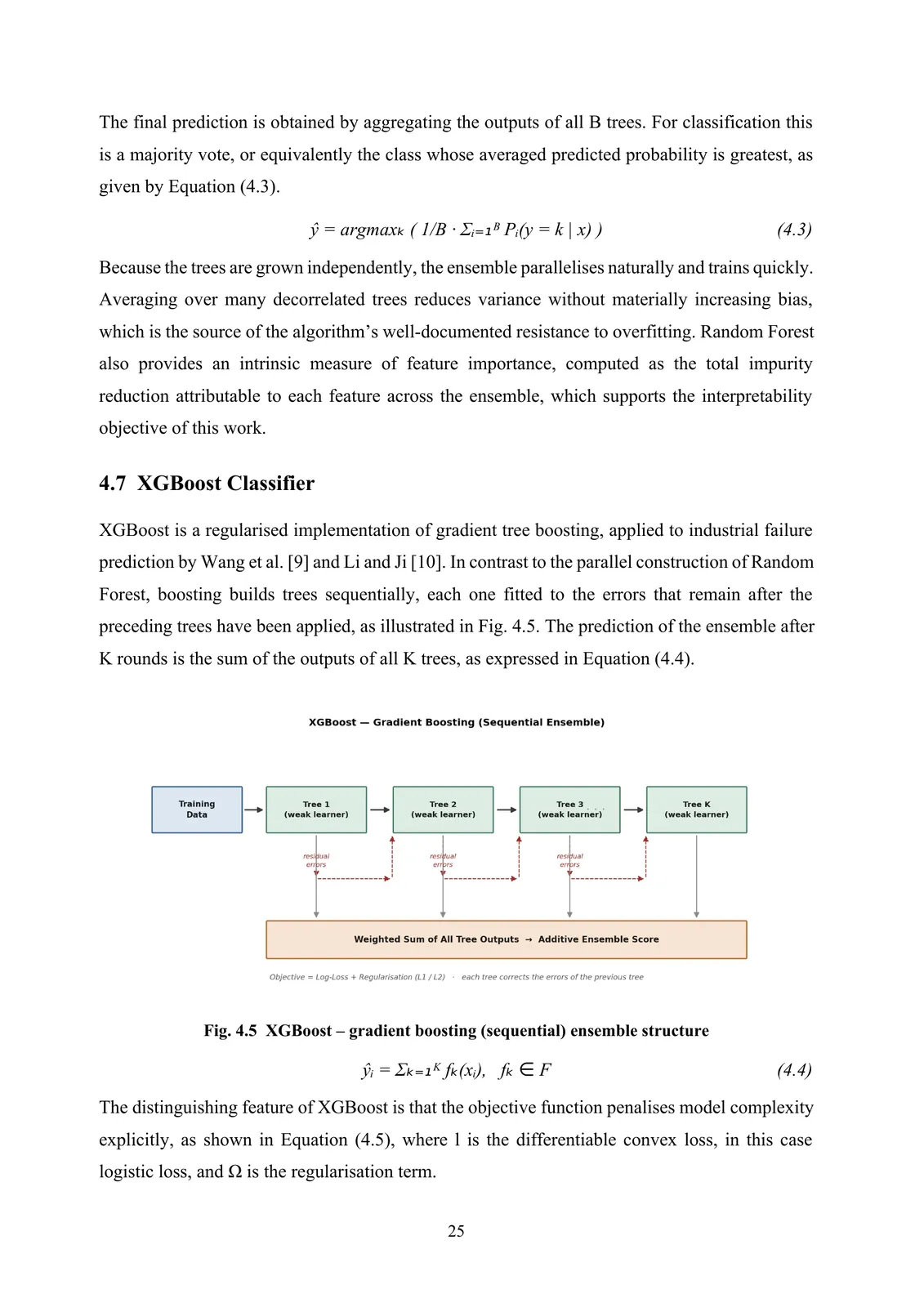
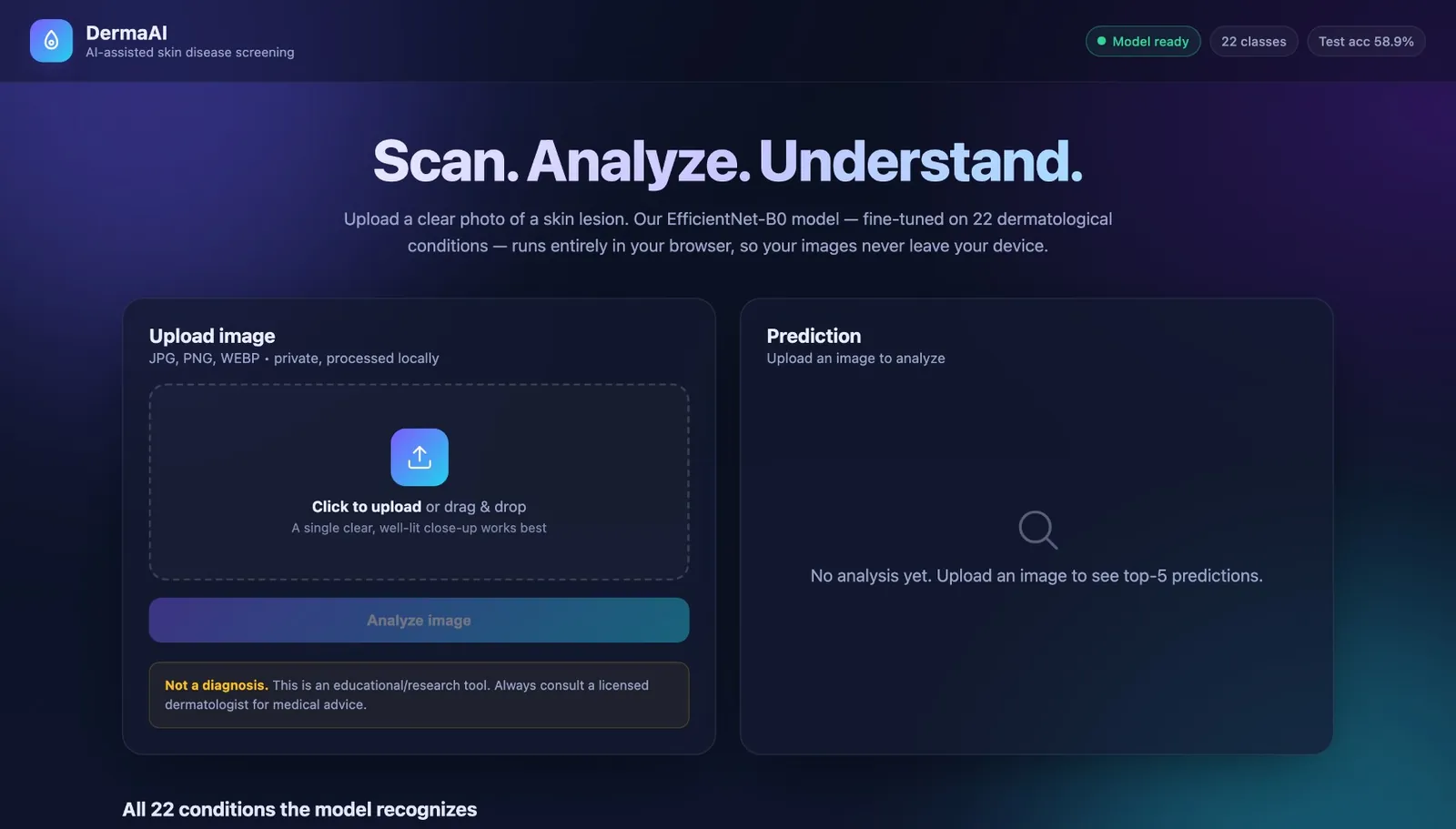
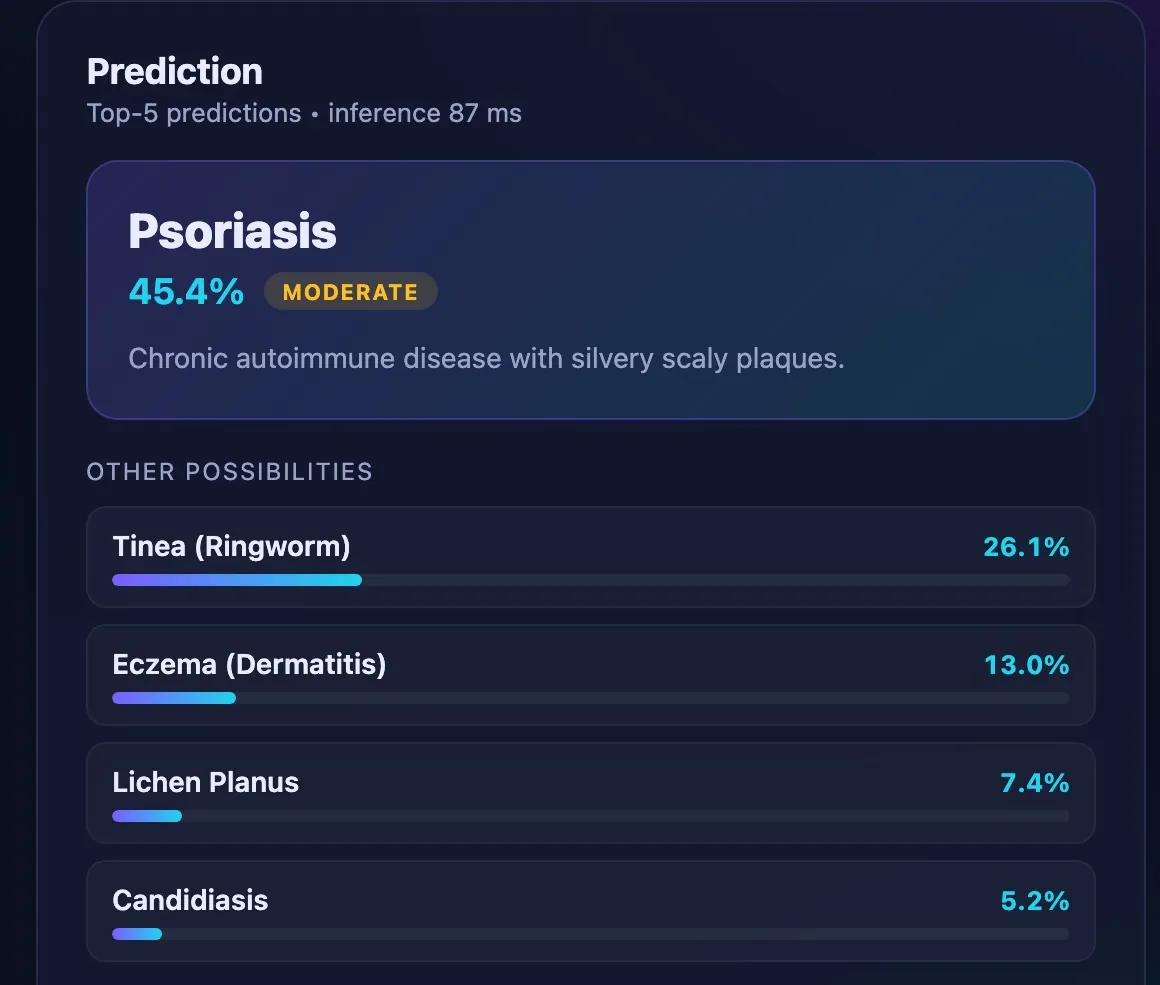
These examples are from M.E. and M.Tech projects we delivered, not B.Tech projects. They show the standard of diagrams, apps and slides to expect; a B.Tech project is smaller, but built and documented the same way.
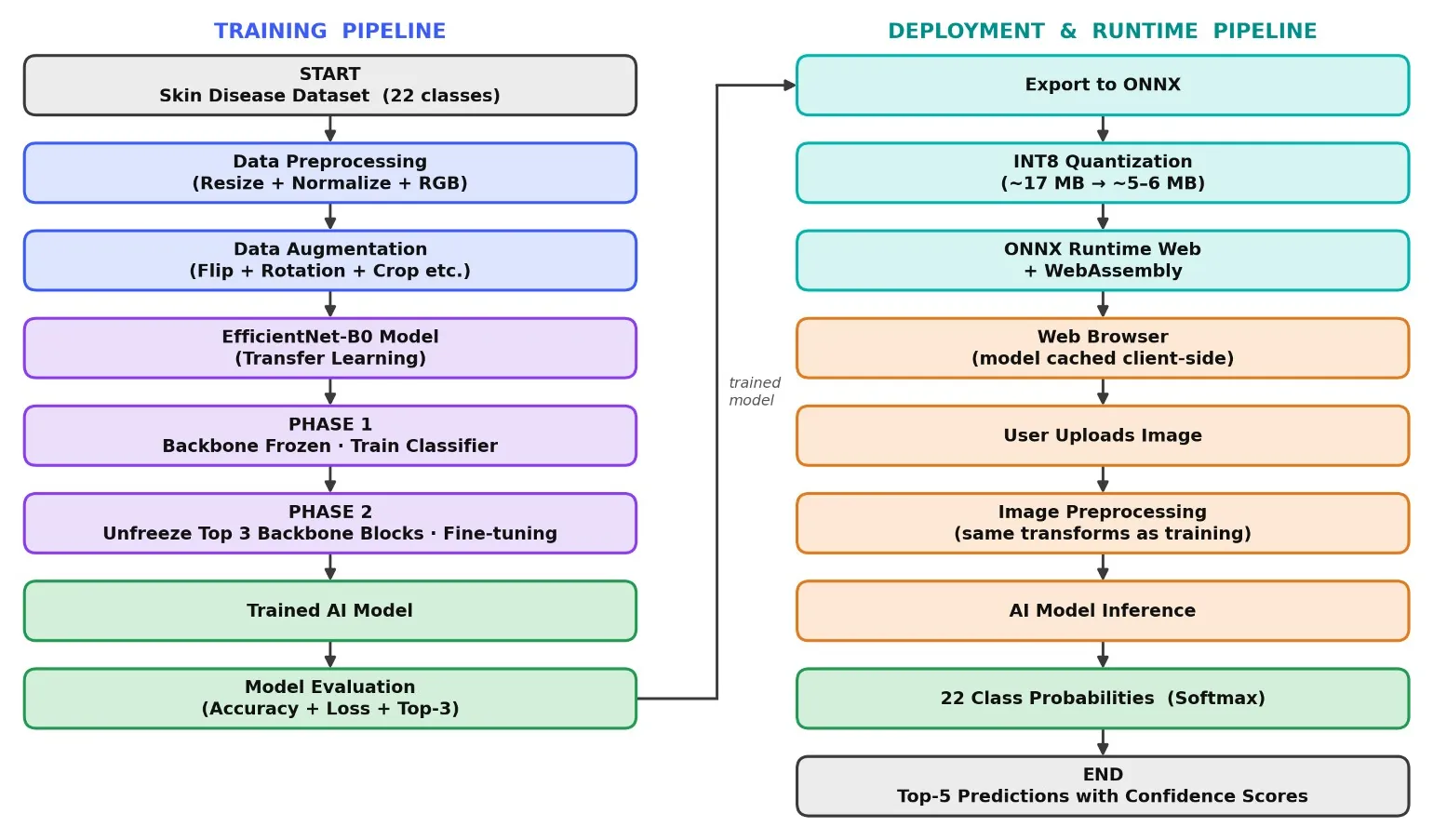
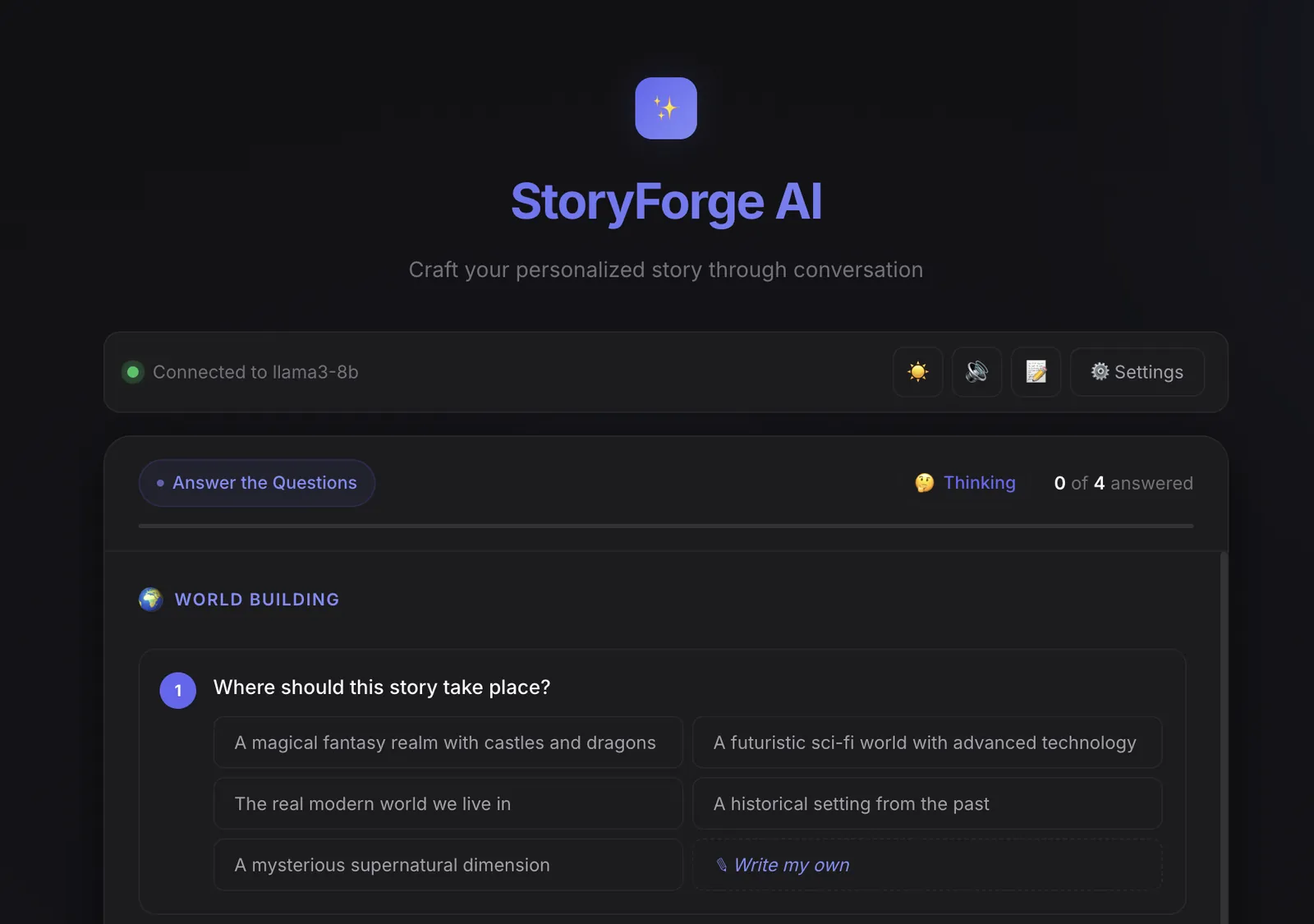
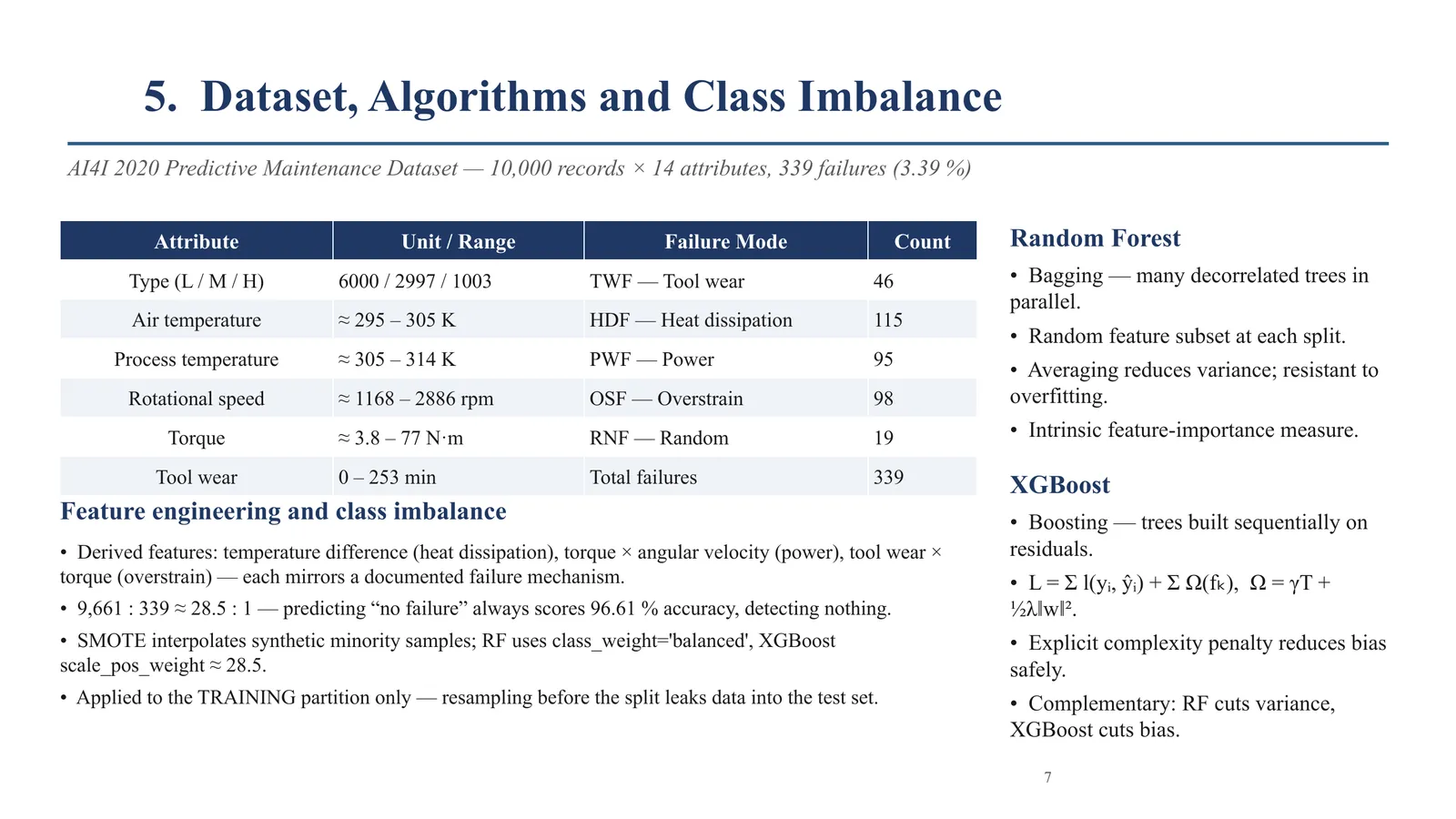
Shown with student, guide and institute details removed.
Case studies: skin disease detection in the browser, interactive storytelling with LLMs and predictive maintenance using machine learning.
Frequently asked questions
How much does a final year project cost?
It depends on the topic, the features, what you need (code, black book, PPT, paper) and your deadline. After the free consultation you get a fixed quote in writing before any work starts, and payment can be split into milestones.
How long does a final year project take?
A B.Tech project typically takes 1–3 weeks; a mini project is usually quicker than a major project with a trained model. Urgent review dates are possible, so tell us yours in the form.
Do we get the source code and a setup guide?
Yes. You get the full source code, a setup guide and a walkthrough, so the project runs on your own laptop at every review. The code is written for your team and is never shared with or resold to another student.
Will the code and black book be original?
Yes. They are written for your project, and every library, dataset or paper used is credited. A similarity (plagiarism) report can be listed in the quote; your college’s own check is the one that counts, so no score is promised.
Will you keep our project details private?
Yes. Your names, college, topic and files are used only for your project and are not shared. Examples on this site have student, guide and institute details removed.
What if our guide asks for changes in a review?
Changes within the agreed scope are included until your final review: send the guide’s comments and the code, black book or PPT is updated. New features are quoted first.
Is it allowed to take help with a final year project?
Colleges set their own rules, so check yours. Use our work as guidance: learn how the project works, run it yourself and present it in your own words. The walkthrough prepares each member to explain their part.