They cover how to choose a base paper, how to format an IEEE paper or an M.Tech thesis, how to write a research proposal for PhD admission, how to lay out a PhD synopsis or thesis, how to check that a journal is Scopus indexed, and what replaced the UGC CARE list.
Which guide should I read first?
Start from the question you have today. The table maps the common ones to the guide that answers them.
| Your question | Read | Most useful for |
|---|---|---|
| What should my project build on? | Base paper guide | B.Tech major and M.Tech projects, IEEE projects |
| How do I set out my paper in IEEE style? | IEEE paper format | Conference and journal papers in IEEE format |
| How should my M.Tech thesis or dissertation be laid out? | M.Tech thesis format | M.Tech and M.E. Stage-I and Stage-II reports and the final thesis |
| What goes in a research proposal for PhD admission? | PhD research proposal | PhD applications and the admission interview |
| What goes in a PhD synopsis, and how long is it? | PhD synopsis format | PhD registration after admission |
| How should my thesis be laid out, and what similarity is allowed? | PhD thesis format | PhD thesis writing and submission |
| Is this journal really in Scopus? | Scopus indexed journals list | Choosing a journal, avoiding cloned and predatory titles |
| Does the UGC CARE list still apply? | UGC CARE list 2026 | PhD scholars and faculty checking journal rules |
Your university’s current rules and your supervisor’s instructions come first wherever they differ from a general guide.
If you are a PhD scholar, the guides also work as a research guide for PhD students when read in order: the research proposal at admission, the synopsis format at registration, the thesis format as you write up, and the Scopus and UGC CARE guides whenever you choose a journal.
Where does the information in these guides come from?
From primary sources wherever one exists: UGC notices and regulations, Elsevier’s Scopus pages and title lists, IEEE’s author templates and style manual, and the research writing guidelines, thesis manuals and synopsis rules that universities publish. The link to each source sits next to the claim it supports.
Rules change. The UGC-CARE list, for example, was discontinued in 2025. Each guide shows the date it was last updated, and we revise a guide when a notice or template it depends on changes.
The Ultimate Project World is not affiliated with UGC, Elsevier or Scopus, IEEE, Springer or any university. These guides explain public rules in plain words; they are not official guidance.
Can you help with the paper, synopsis or thesis itself?
Yes. The guides are free to use on your own. If you want someone to work through it with you, these are the services that match each guide:
- Papers in IEEE, Springer or journal format, journal shortlisting and reviewer replies: research paper writing and publication support. Acceptance is always the journal’s decision.
- Topic, proposal, synopsis and literature review: PhD guidance.
- Chapters, figures, citations and formatting to your university’s manual: PhD thesis writing support.
- Implementing and extending a base paper: IEEE projects and M.Tech projects.
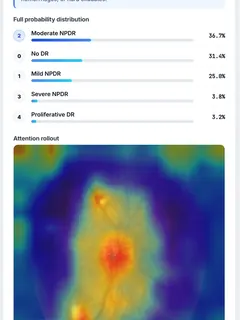
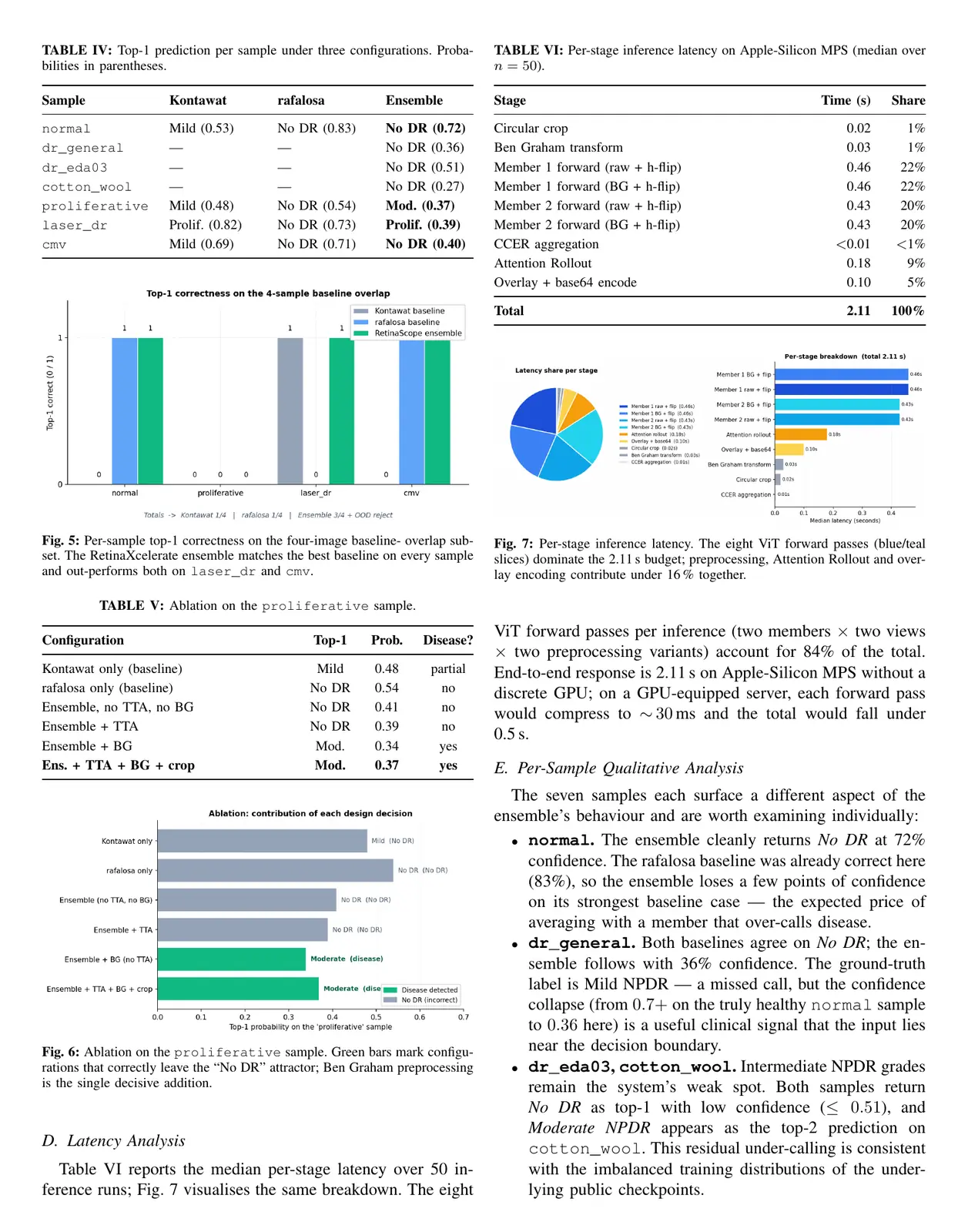
To see the standard we write to, open a case study such as diabetic retinopathy detection using deep learning, an M.Tech project delivered with an IEEE-format paper, or browse all eight case studies. Looking for a topic instead? Try our final year project ideas, sorted by branch.