You get working code, results against the baseline, an M.Tech thesis in your university’s format, an IEEE-format paper and review PPTs, then a walkthrough so you can defend every result in your viva. They suit M.Tech and M.E. students in CSE, IT and AI, from Stage I to the final submission.
Which M.Tech projects have we delivered?
Eight M.Tech and M.E. projects, all in AI and machine learning. Each case study shows the real paper pages, app screens and result charts, with student, guide and institute details removed. Compare them side by side on M.Tech AI projects we delivered.
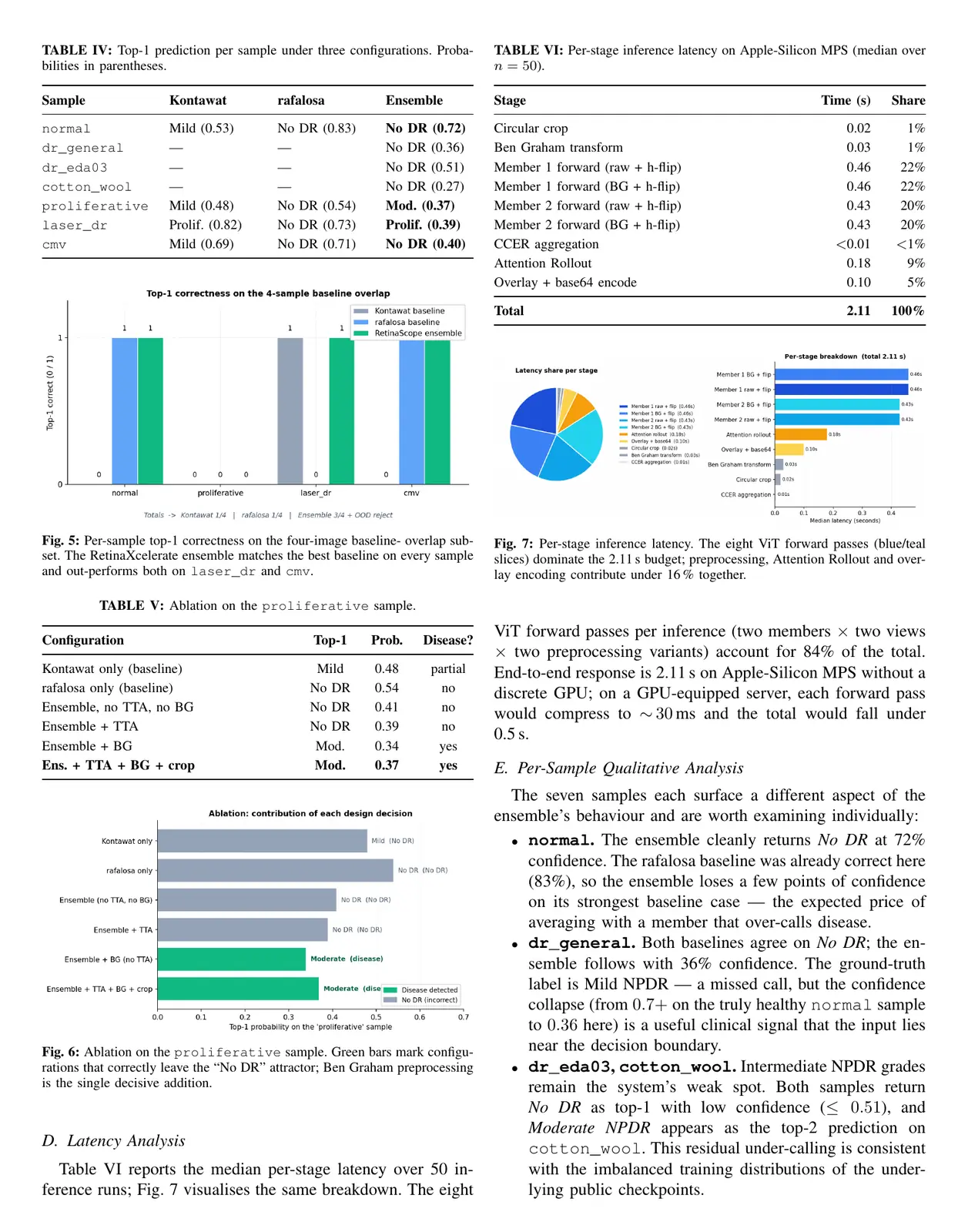
- Diabetic retinopathy detection with a ViT ensembleM.Tech · medical imaging
- Skin lesion classification with Vision TransformersM.Tech · medical imaging
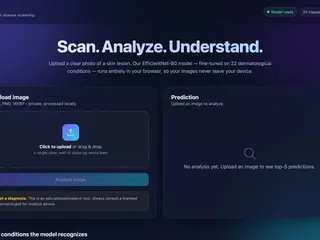
- Skin disease detection in the browserM.E. · in-browser deep learning
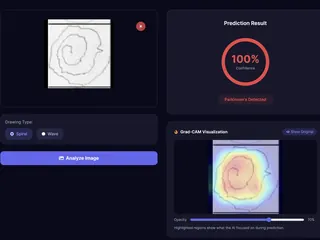
- Parkinson’s disease detection from spiral and wave drawingsM.Tech · explainable AI
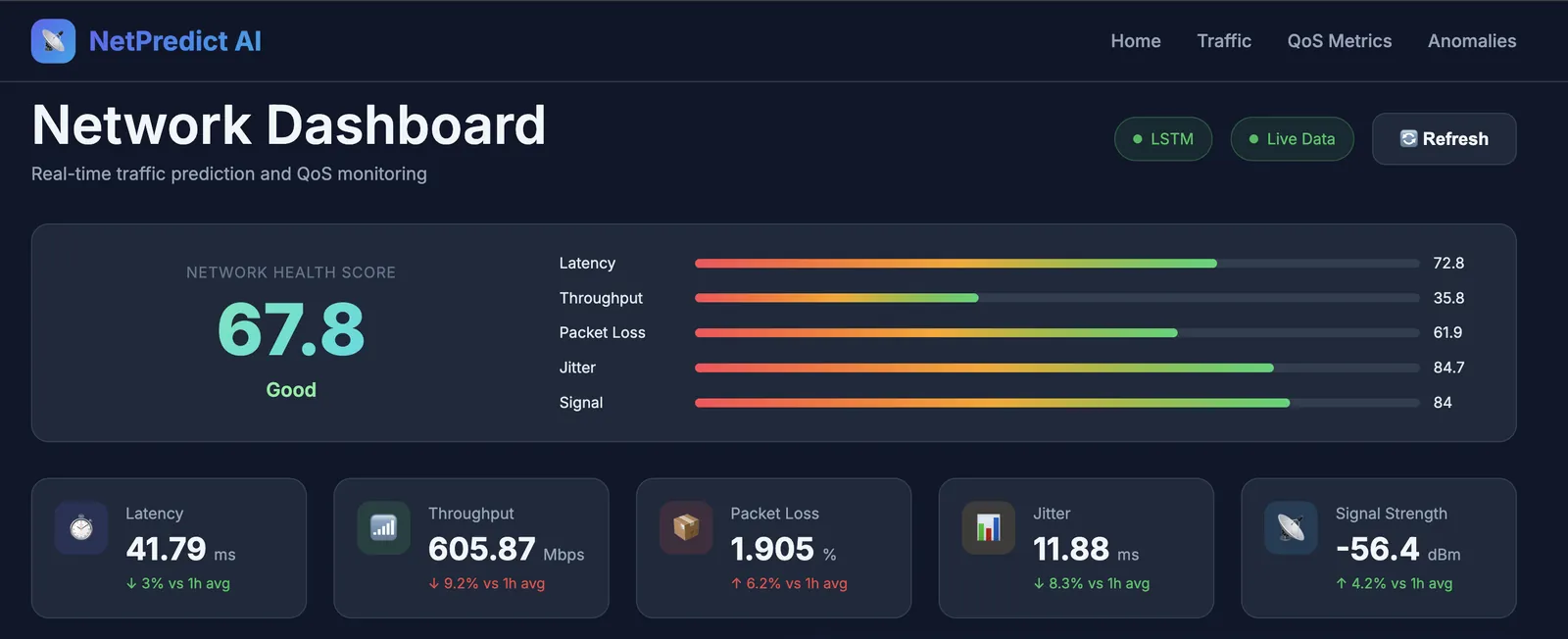
- Network traffic prediction with a Bi-LSTMM.Tech · deep learning for networks
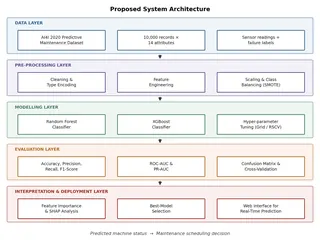
- Predictive maintenance using machine learningM.E. / M.Tech · Stage-I dissertation
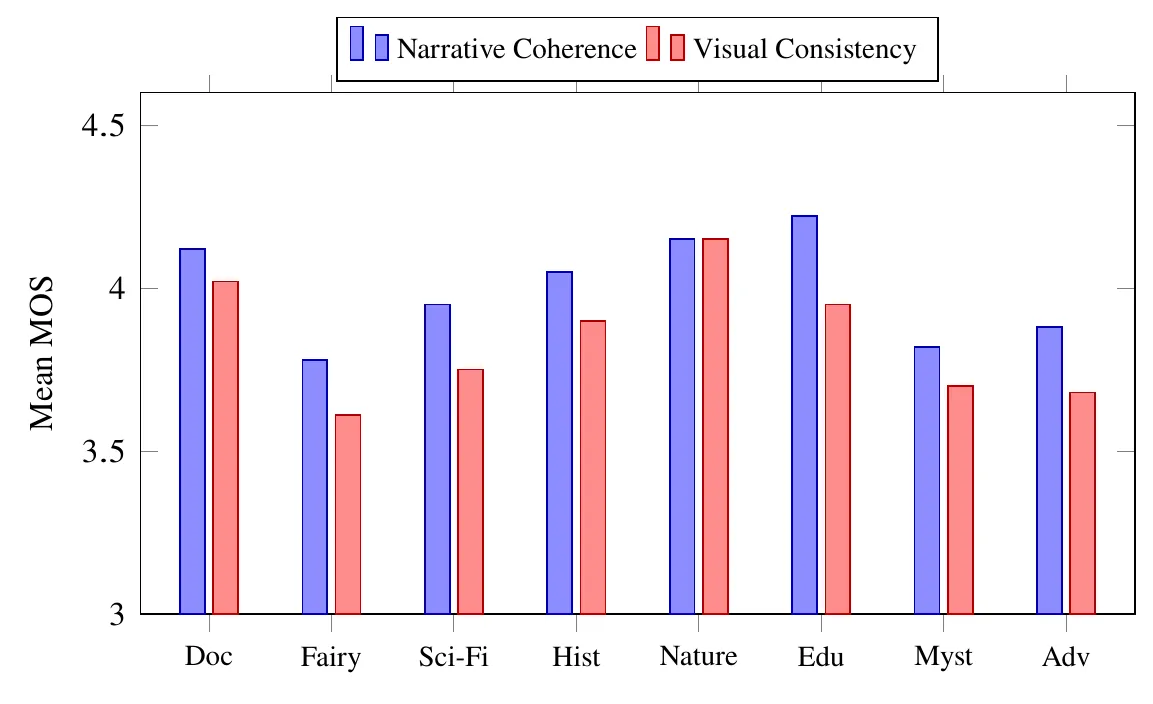
- AI video storyteller: text prompt to narrated videoM.Tech · generative AI
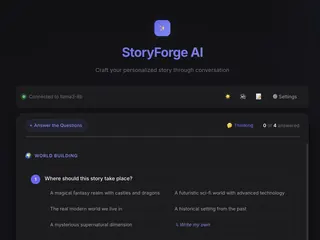
- Interactive storytelling with LLMs, images and narrationM.Tech · generative AI and NLP



What does an M.Tech project include?
Everything is scoped in the free consultation, and each item you choose goes into the quote with its format and date.
| Deliverable | What it covers | Format |
|---|---|---|
| Base paper and problem | A recent paper, the gap it leaves and your objectives, agreed with your guide | Stage I synopsis |
| Implementation | Code for the baseline and your extension, with a setup guide | Python project or notebooks; MATLAB if the topic needs it |
| Results | Baseline and your method on the same data, with ablations and charts | Thesis-ready figures and tables |
| M.Tech thesis | Every chapter, in your university’s template | Word or LaTeX |
| Research paper | Your work as a paper, if your course or guide asks for one | IEEE, Springer or journal format |
| Review PPTs | Slides for Stage I, Stage II and the final viva | PowerPoint |
| Timeline | Typically 3–6 weeks for the build and paper; the thesis follows your review dates | Fixed in your plan |
| Support | A code walkthrough, likely viva questions and updates for your guide’s comments | Until you submit |
Timelines are typical ranges. The paper follows the IEEE paper format or your target journal’s template, and acceptance is decided by the journal or conference.
Who is this for?
- M.Tech and M.E. students in CSE, IT and AI & Data Science.
- Stage I students who still need a base paper, a problem statement and a literature survey.
- Stage II students who need the implementation, results and thesis.
- Students whose guide wants a paper before the final submission.
In M.Tech ECE? VLSI, embedded systems and signal processing work is on MTech projects for ECE. In B.Tech? See final year projects for CSE. Is your project tied to one published paper? See IEEE base paper implementation. Only need a paper from finished results? See our research paper writing services.
How is an M.Tech project different from a B.Tech project?
The difference is the contribution. A B.Tech project shows you can build a working system; an M.Tech project has to improve on published work and prove it on the same data.
| Aspect | B.Tech final year | M.Tech / M.E. |
|---|---|---|
| Starting point | A problem or an app idea | A recent base paper and the gap it leaves |
| Contribution | A working system with a demo | A measured improvement over the baseline |
| Evaluation | The demo, test cases and basic accuracy | Same-data comparison, ablation study, charts |
| Write-up | Black book and PPT | Thesis, stage reports and often a paper |
| Reviews | Internal reviews and a viva | Stage I and Stage II reviews and an external viva |
Rules differ between universities. Your guide’s requirements come first.
How does an M.Tech project run, stage by stage?
Four steps, in this order. Nothing is paid before step 2 is agreed.
Free consultation
Share your branch, your stage, your base paper if you have one, and your review dates.
Plan and fixed quote
Base paper, extension, dataset, deliverables and dates in writing, at one fixed price.
Build and review
Code, results and chapters are shared as they are ready. Your guide’s comments are worked in within the scope.
Handover and viva prep
Final files, then a walkthrough of every result and the questions examiners usually ask.
Our work is building, writing support, guidance and explanation. Use it to learn the method and prepare your own submission, cite the base paper, and check what your university allows.
What does a delivered M.Tech project look like?
Three M.Tech projects we delivered, each with working software, a thesis and a paper. Student, guide and institute details are removed.
Diabetic retinopathy detection with a ViT ensemble
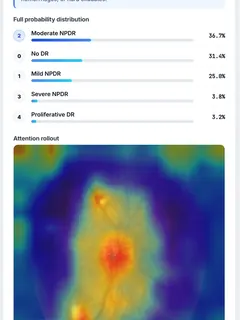
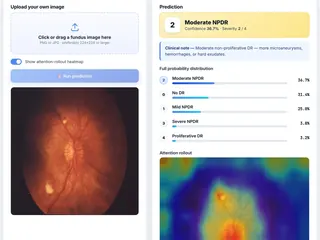
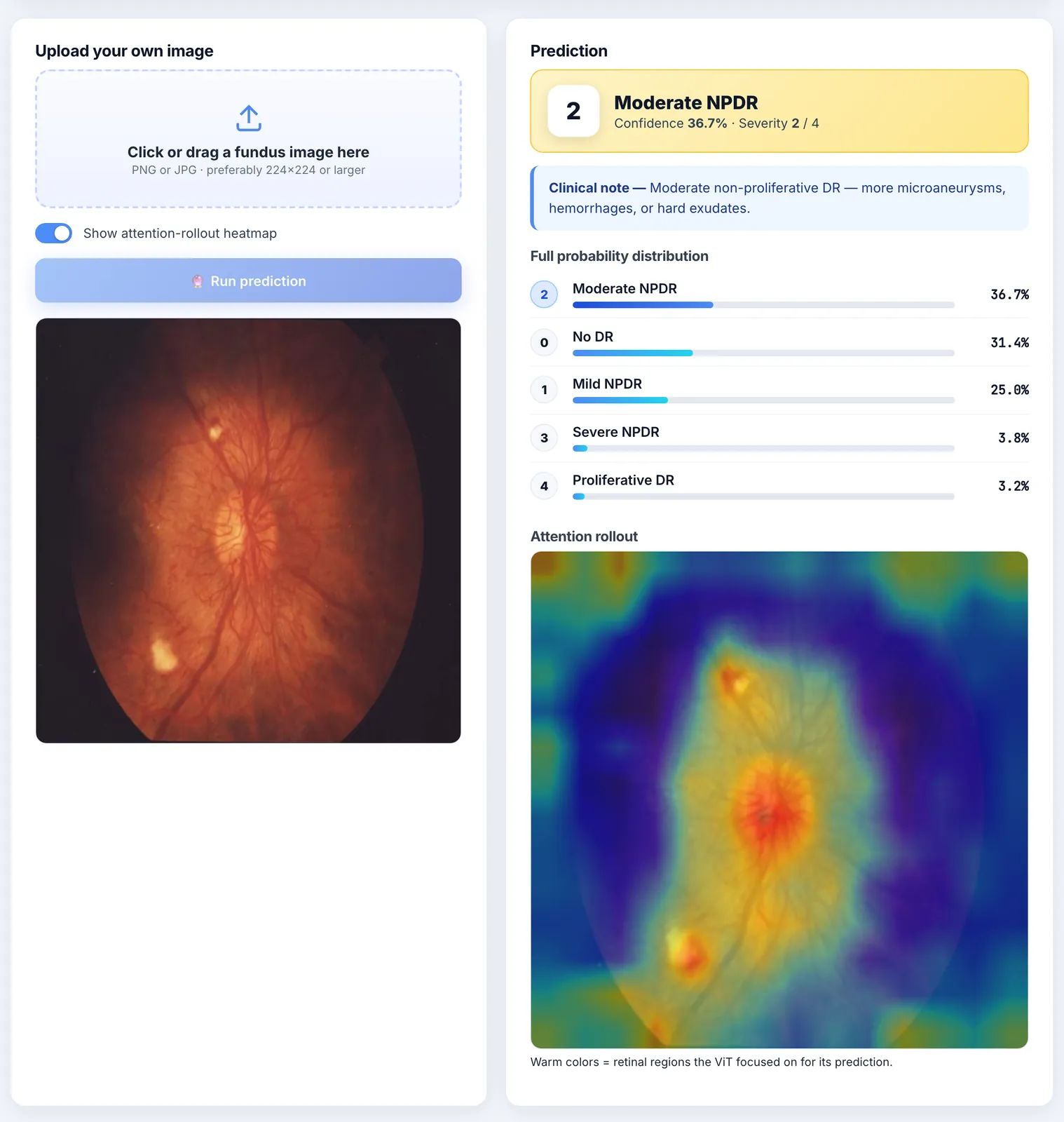
An ensemble of Vision Transformers grades retinal images into five severity levels and shows an attention heatmap for every prediction, inside a four-layer web app. Read the diabetic retinopathy detection case study.
Network traffic prediction with a Bi-LSTM
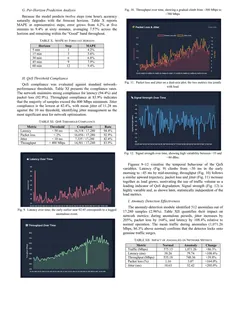
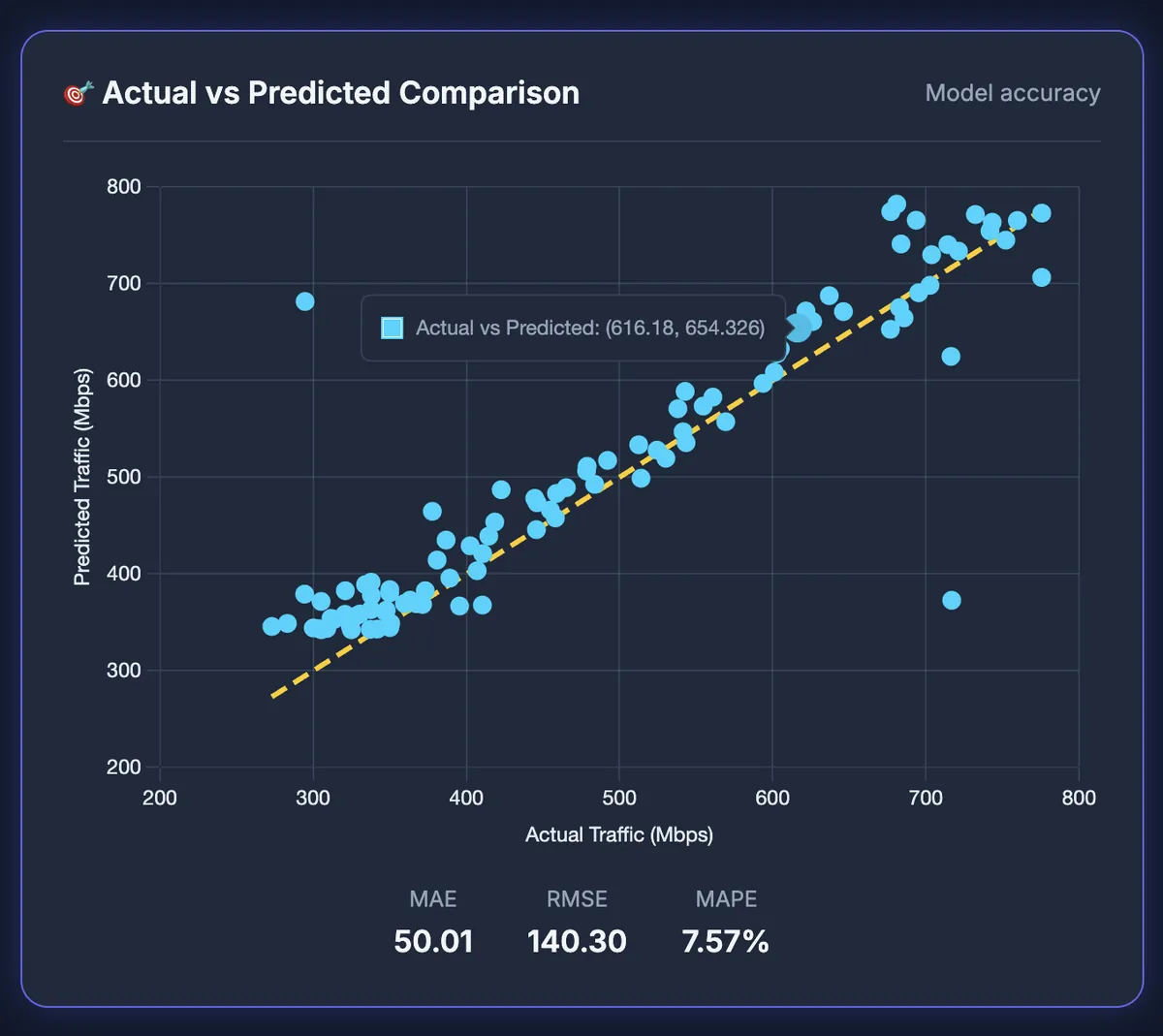
A bidirectional LSTM forecasts network traffic for a live QoS dashboard. The forecasts reached MAE 50.01, RMSE 140.30 and MAPE 7.57%. Read the network traffic prediction case study.
AI video storyteller
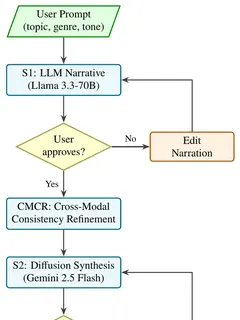
A text prompt becomes a narrated 1080p video: a language model writes the story, a diffusion model draws the scenes and neural text-to-speech reads it, with user approval between stages. It was written up in IEEE and Springer formats. Read the text-to-video generator case study.

Shown with student, guide and institute details removed.
What goes into an M.Tech thesis?
Most universities expect six chapters: introduction, literature survey, proposed system, implementation, results, and conclusion with future scope, usually submitted as a Stage I report and then the final Stage II thesis. The usual reasons for corrections are a survey that lists papers without comparing them, results with no baseline, and figures the text never explains.
The chapter-by-chapter layout, the stage reports and a pre-submission checklist are in our M.Tech thesis format guide. Only need the writing? See M.Tech thesis writing help, or tell us your stage.
MTech project topics for CSE and AI (ideas)
These 20 MTech project ideas for CSE and AI are starting points to take to your guide, and most also work as M.Tech thesis topics for 2026–27. Each can begin from a recent base paper and be extended in a way you can measure. To choose that paper, read how to select a base paper; for more AI topics tagged by level, see these machine learning project ideas with datasets.
These are suggestions to discuss. Our delivered work is in the case studies.
Computer vision and medical imaging
4 ideas
- Topic idea · CSESelf-supervised features for small medical datasetsDINOv2-style pretraining against ImageNet transfer when labels are scarce.
- Topic idea · CSEFaithful explanations for chest X-ray modelsTest Grad-CAM and attention maps with deletion and insertion checks.
- Topic idea · CSEDistilling a Vision Transformer into a mobile modelA small CNN taught by a ViT, timed on a phone-class CPU.
- Topic idea · CSEDeepfake detection that survives compressionTest on unseen generators and re-compressed images.
NLP and generative AI
4 ideas
- Topic idea · CSERetrieval-augmented QA over university rulesCompare chunking and retrieval; score answers for faithfulness.
- Topic idea · CSECatching LLM hallucinationsFlag unsupported answers with self-consistency and retrieval checks.
- Topic idea · CSECode-mixed hate-speech detectionHindi-English posts, multilingual transformers, an explanation per flag.
- Topic idea · CSELoRA fine-tuning versus promptingA small tuned model against a large prompted one, on cost and accuracy.
Networks, security and IoT
4 ideas
- Topic idea · CSE / ECEFederated intrusion detection for IoTTrain across gateways with uneven data; compare with central training.
- Topic idea · CSE / ECEEncrypted traffic classificationIdentify the application from flow statistics, without payloads.
- Topic idea · CSE / ECETask offloading in mobile edge computingReinforcement learning against heuristic baselines, in simulation.
- Topic idea · ECE / CSEPost-quantum key exchange on IoT boardsML-KEM (Kyber) against ECDH for time, memory and energy.
Data science and predictive analytics
4 ideas
- Topic idea · CSERemaining useful life of turbofan enginesA temporal CNN or transformer on the public NASA C-MAPSS data.
- Topic idea · CSEAnomaly detection in server metricsIsolation forest, an LSTM autoencoder and a transformer compared.
- Topic idea · CSEGraph neural networks for transaction fraudAccounts and transfers as a graph, against gradient boosting.
- Topic idea · CSEFairness-aware credit scoringReduce bias across groups and track the accuracy cost.
Cloud and software systems
4 ideas
- Topic idea · CSE / ITPredictive autoscaling for microservicesForecast load and scale Kubernetes pods before demand arrives.
- Topic idea · CSE / ITHealth-record sharing on a blockchainPatient-controlled access with attribute-based encryption.
- Topic idea · CSE / ITCross-project software defect predictionPredict buggy files from code metrics and commit history.
- Topic idea · CSE / ITLLM-assisted unit test generationMeasure coverage and mutation score of generated tests.
Looking for ECE topics in signal processing, VLSI or embedded systems? They are on MTech projects for ECE, with the tools each one needs.
Frequently asked questions
How much does an M.Tech project cost?
It depends on the domain, the deliverables and your deadline. After the free consultation you get a fixed quote in writing before any work starts, and payment can be split into milestones.
How long does an M.Tech project take?
The build and paper typically take 3–6 weeks. The thesis is written alongside and planned around your Stage I and Stage II review dates.
Which is the best M Tech project for CSE?
There is no single best one. The best M.Tech project for CSE has a recent base paper, public data you can download, compute that fits your time, and one improvement you can measure on the same test set. Areas with plenty of recent base papers include vision transformers, retrieval-augmented LLMs, federated learning and explainable AI; the topic ideas above are sorted by area.
How do I choose an M.Tech project topic?
Start from an area you and your guide both know, then read two or three recent papers in it. Pick the one whose data you can get, whose results you can reproduce, and whose limitations suggest a change you can test. That paper becomes your base paper, and its gap becomes your problem statement.
Do I need a base paper for an M.Tech project?
Most guides expect one, because an M.Tech project has to improve on published work and prove it on the same data. If your guide allows a new problem instead, you still compare against published baselines. Our guide explains what a base paper is and how to find one.
Will the thesis be original, and can I get a plagiarism report?
Yes. The thesis and paper are written for your project, and every source, including the base paper, is cited. A similarity report can be listed in the quote; your university’s own check is the one that counts, so no score is promised.
Is my information kept confidential?
Yes. Your details, topic and files are used only for your project and are not shared. Examples on this site have student, guide and institute details removed.
What if my guide asks for changes?
Changes within the agreed scope are included until you submit: send your guide’s comments and the work is updated. Anything outside the scope is quoted first.
Is it allowed to get help with an M.Tech project?
Rules differ between universities, so check yours. Use our work as guidance: learn the method, understand the code and results, and prepare your own submission with proper citations.