They suit M.Tech students and PhD scholars in India with results to report. Acceptance is always decided by the journal, so no honest service can guarantee it.
What do our research paper writing services include?
Our research paper writing help starts from finished results: your experiments, code output and notes. If the results still have to be produced, the work is scoped first as one of our M.Tech projects, from base paper to thesis, or as an IEEE project, and the paper follows.
| Deliverable | Format | Timeline | Support |
|---|---|---|---|
| Paper draft | IEEE, Springer or journal template, in LaTeX or Word | Usually 3–6 weeks from finished results | Revised with you and your guide |
| Figures and tables | Sized for the venue’s column width, vector where possible | With the draft | Redrawn until they read at print size |
| Venue shortlist | Candidate journals or conferences with scope, indexing, review time and fees checked | Before final formatting | Chosen with you; you make the final call |
| Submission pack | Cover letter, highlights, declarations and checklist items the venue asks for | At submission | You submit from your own account |
| Reviewer response | Point-by-point reply letter and revised manuscript | When reviews arrive | Included within the agreed scope |
A similarity report is available on request before submission. Publication fees, where a journal charges them, are paid by you to the journal.
What do IEEE and Springer formats require?
“Format” is more than fonts. Each publisher has a template, a reference style and required sections, and papers that ignore them can be returned before review. The main ones in engineering and computer science:
| Format | Layout | References | Watch for |
|---|---|---|---|
| IEEE conference or journal | Two columns, IEEEtran LaTeX class or the IEEE Word template | Numbered in square brackets, e.g. [1] | Index Terms after the abstract; page limit in the call for papers |
| Springer LNCS (proceedings) | Single column, llncs class | Numbered, Springer style | Keywords; a strict page limit (check whether references count) |
| Springer Nature journal | Journal template (sn-jnl) or Word | Set per journal | A declarations section: funding, conflicts, data availability |
| Elsevier journal | elsarticle class or Word | Set per journal | Highlights and, for some journals, a graphical abstract |
For the IEEE layout rule by rule, see our guide to the IEEE paper format template for Word and LaTeX.
How does research paper publication work, step by step?
Whether the target is a Scopus-indexed journal, an IEEE conference or a Springer journal, research paper publication follows the same path. Knowing it tells you how to publish a research paper without losing months to the wrong journal.
- Finish the results and pick the article type: full paper, short communication or conference paper.
- Shortlist journals: read the aims and scope, check the indexing at the source (Scopus Sources or the Web of Science Master Journal List, with a matching ISSN and website), your university’s rule, the page limit, review time and any fees.
- Format to the journal’s author guidelines: its template, reference style and required declarations.
- Submit from your own account on the journal’s submission system, with a cover letter.
- Editor’s first check: the editor decides whether the paper goes to review at all (see desk rejection below).
- Peer review: usually two or more reviewers, then accept, revise or reject.
- Revise and reply: an updated manuscript and a point-by-point response letter.
- Acceptance and production: proofs, the copyright or open-access licence, then online publication with a DOI.
| Stage | Who decides | What we help with | How long |
|---|---|---|---|
| Writing and formatting | You and your guide | Draft, figures, template and references | Fixed in your plan |
| Journal shortlist | You | Scope, indexing, fees and review time checked | Before final formatting |
| Submission | You, from your account | Cover letter, declarations, checklist items | When the draft is final |
| Editor’s check | The editor | Nothing at this stage; the prep work is what counts | Set by the journal |
| Peer review | Reviewers and the editor | Reading the comments with you | Set by the journal; many publish typical times |
| Revision | You, then the editor | Response letter and revised manuscript | The journal sets the deadline |
| Production | The publisher | Checking the proofs with you | Set by the publisher |
No one outside the journal controls review times or decisions, so none are promised here.
IEEE paper publication works the same way: IEEE journals and conferences take submissions through their own portals, and the call for papers sets the page limit and template.
Why are papers rejected before peer review?
A desk rejection is a “no” from the editor before any reviewer reads the paper. Journals publish their reasons, and they are mostly avoidable. The editors of IEEE Transactions on Power Systems, for example, list papers they reject or return without review: work outside the journal’s scope, a high degree of similarity with other publications, formatting that ignores the author guidelines, language reviewers cannot follow, too few references in the area, and page-limit violations. IEEE Transactions on Instrumentation and Measurement states that papers whose main contribution belongs to another field, such as a machine learning method that does not improve a measurement, are typically rejected without review.
So before submission we check the fit with the journal’s scope, run a similarity check, match the template and page limit, and make sure the abstract states the contribution plainly.
What do Scopus indexing and quartiles mean?
- Scopus is Elsevier’s abstract and citation database. A “Scopus-indexed journal” is one Scopus covers today; coverage can be discontinued, so check the status on the day you submit. Our guide shows how to check if a journal is Scopus indexed.
- Quartiles (Q1–Q4) rank journals within a subject area, commonly using SCImago data built on Scopus. Some universities ask for Q1 or Q2.
- Web of Science is Clarivate’s index, and the official Journal Impact Factor comes from Clarivate. An “impact factor” from an unknown agency is a warning sign.
- UGC-CARE was the UGC’s list of journals for Indian academics; in 2025 the UGC moved away from the central list, so ask your department what it accepts now. See the UGC CARE list 2026 guide.
How do you avoid fake and cloned journals?
Some journals take a fee and publish with little or no peer review; cloned journals copy a real journal’s name on a fake website. Walk away if acceptance is promised in advance, if payment is asked for before any review, or if the website differs from the one in the journal’s Scopus or Web of Science record. Our Scopus guide explains how to identify predatory journals, and the Think. Check. Submit. checklist and the DOAJ directory are good second checks.
Can anyone guarantee acceptance?
No. Editors and peer reviewers decide, and a service that promises acceptance is either wrong or selling a predatory venue. What good support controls is everything before that decision: a clear contribution, fair comparisons, clean figures, the right format and a well-matched journal.
Our work is writing support, guidance and explanation. The authors are you and the people who did the research with you; no names are added or sold. Follow your university’s and the journal’s policies on authorship and disclosure.
Who is this research paper help for?
- M.Tech and M.E. students whose programme expects a paper from the dissertation. Start an M.Tech paper.
- PhD scholars who need publications for their progress reviews or before thesis submission. Start a PhD paper.
- B.Tech teams with a strong final-year project and a conference in mind. Start a B.Tech paper.
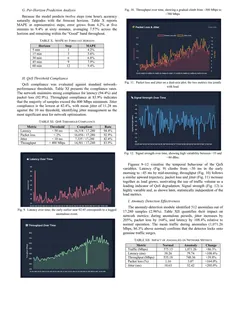
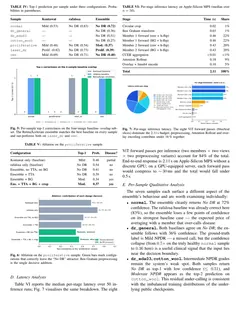
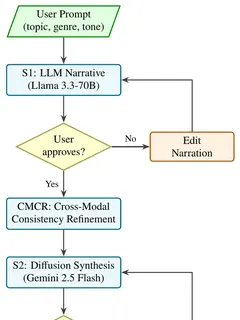
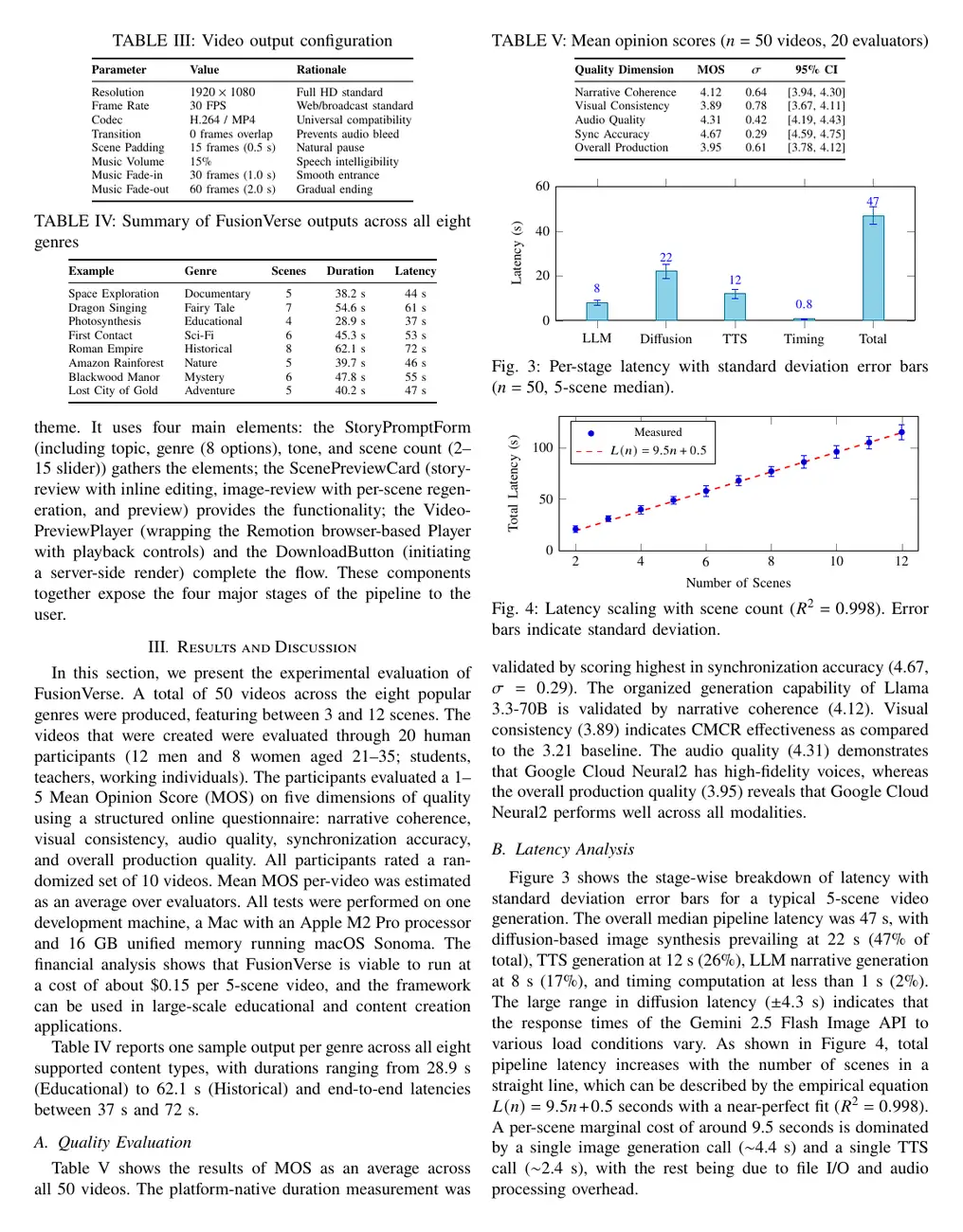
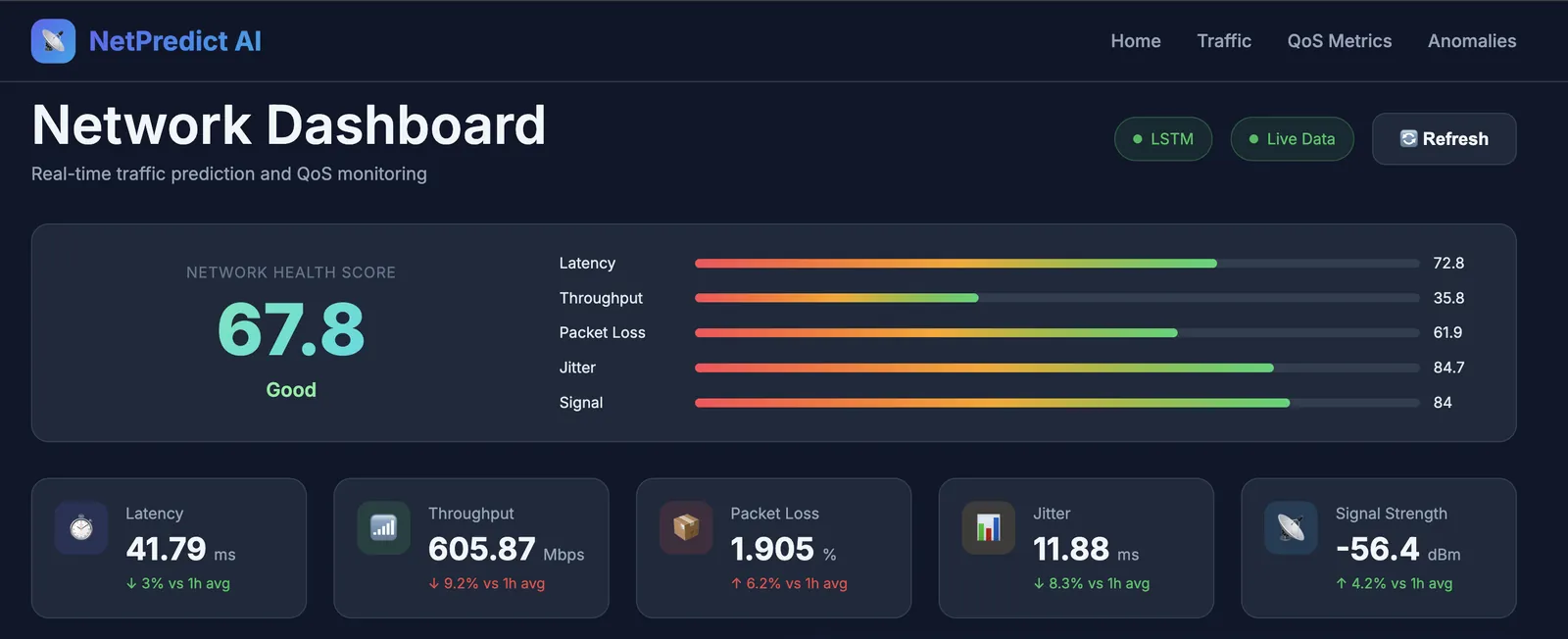
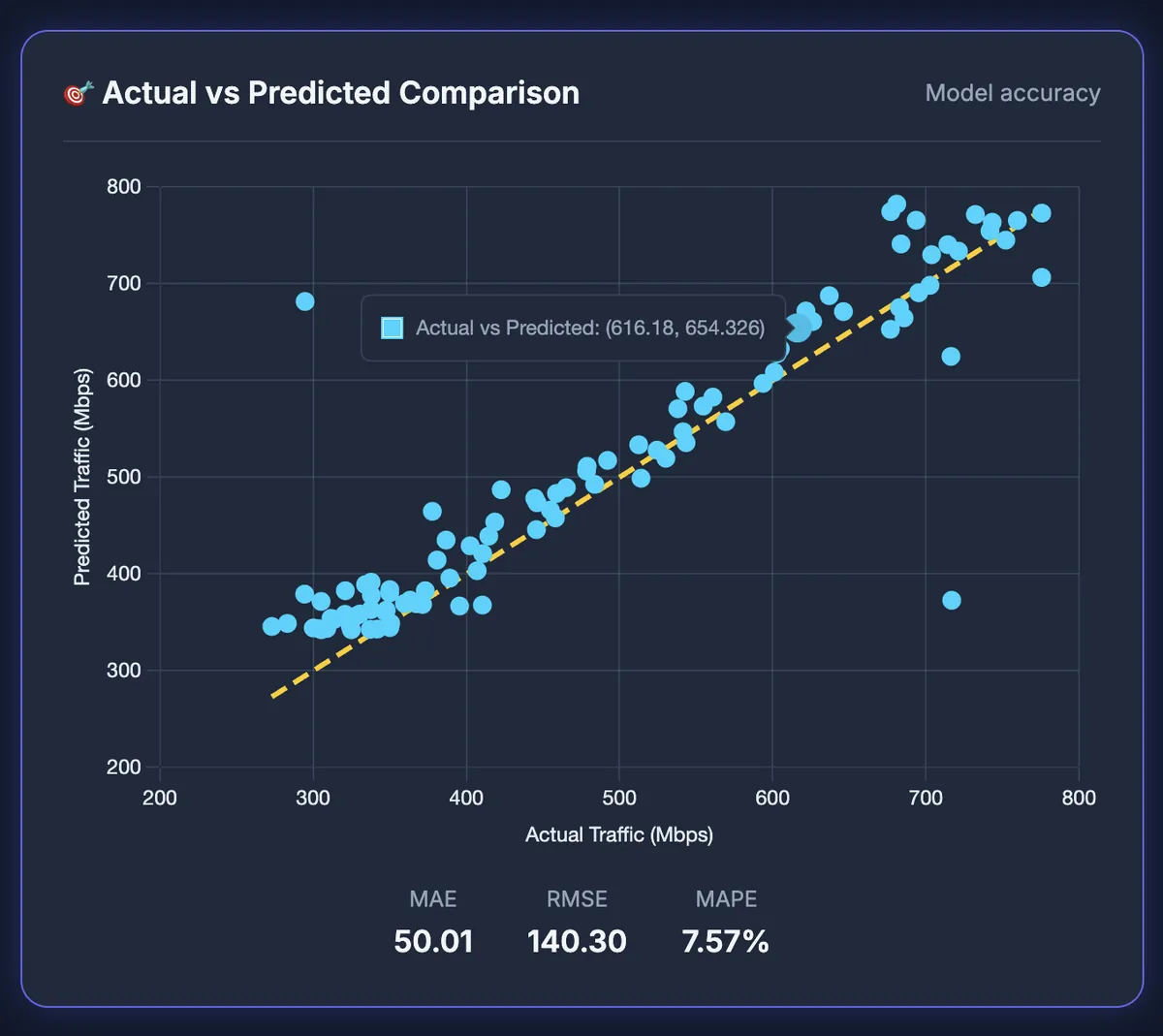
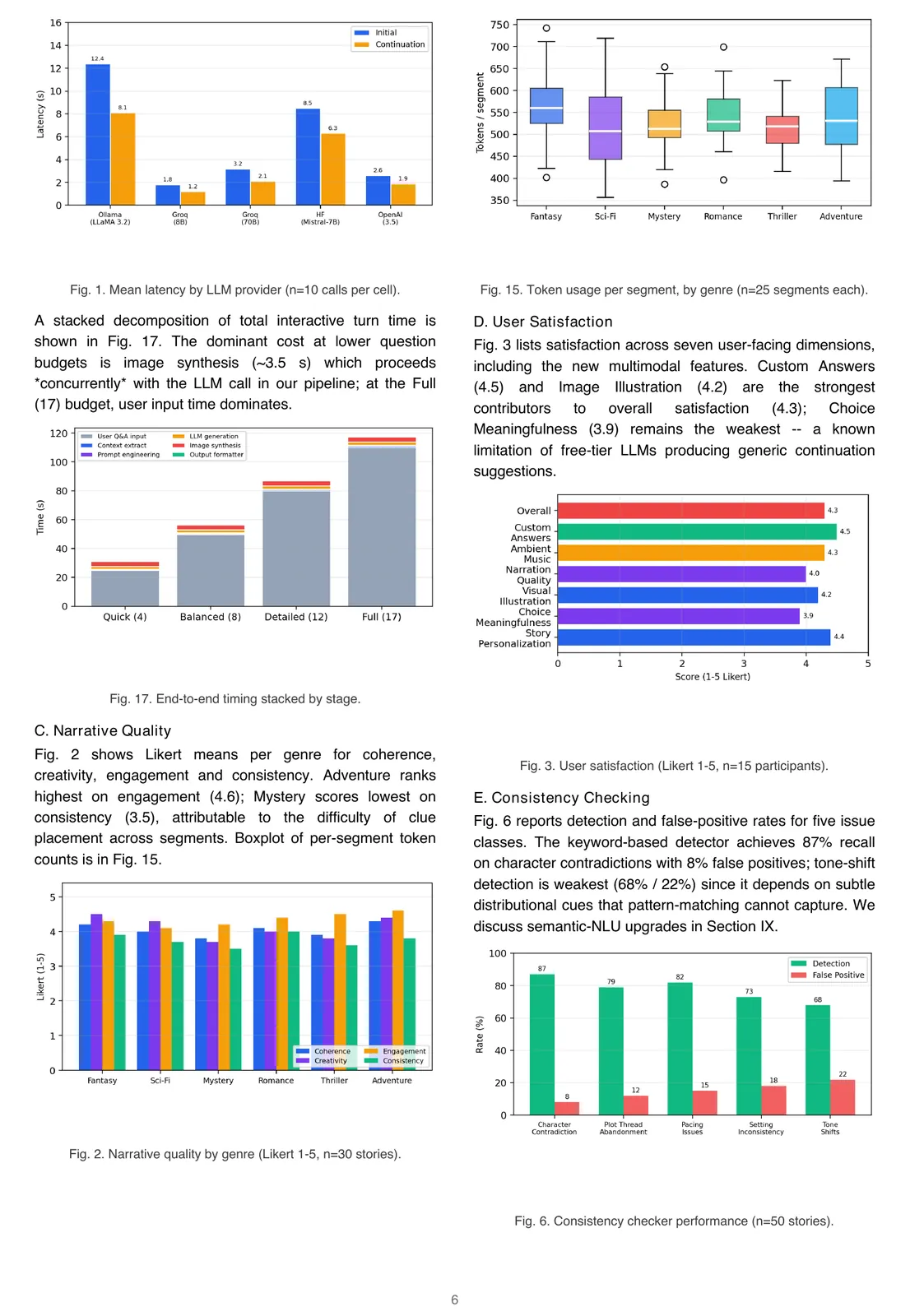
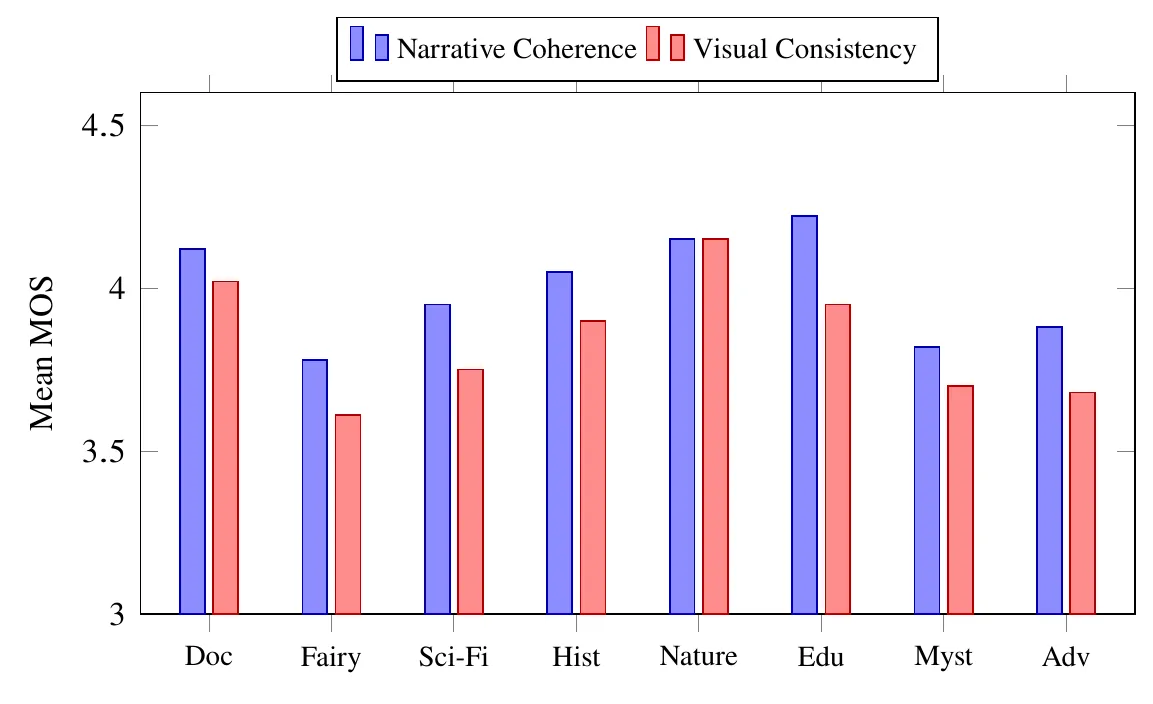
Papers from delivered M.Tech projects include the network traffic prediction project, the AI video generator project (M.Tech) and an interactive storytelling AI using LLMs, each written up in IEEE format.
How does our paper writing support run?
Free consultation
Share your results, target venue (if any), university rules and deadline.
Plan and fixed quote
The paper outline, a first venue shortlist, dates and a fixed price in writing.
Build and review
Draft, figures and formatting, revised with you and your guide.
Handover and submission
Final files and submission pack, then help with reviewer comments.
Frequently asked questions
How much does research paper writing cost?
You get a fixed quote in writing after the free consultation, based on the paper type, how complete your results are and your deadline. Publication fees are separate: many subscription journals charge authors nothing (some charge for extra pages), while open-access journals often charge an article processing charge, paid by you directly to the journal.
How do you publish a research paper in a Scopus journal?
Finish your results, shortlist journals whose scope fits, and confirm each one is currently indexed on Scopus Sources with a matching ISSN and website. Then format the paper to that journal’s author guidelines, submit from your own account, and answer the reviewers’ comments point by point. The editor and reviewers decide acceptance.
How long does it take to publish a paper?
Writing a paper from finished results usually takes 3–6 weeks. Peer review is run by the journal or conference and can take anywhere from a few weeks to several months, so plan around your degree deadline early.
Is the paper original, and do I get a plagiarism report?
The paper is written for your work and every source is cited. A similarity report is available on request before submission, and flagged passages are rewritten. Journals run their own checks, which are the ones that decide.
Can you reformat my paper for a different journal?
Yes. Moving a paper to another template, for example from IEEE two-column to a Springer journal, means reworking the layout, reference style, declarations and length, not only the fonts. It is quoted as a smaller job of its own, and your files are never shared or reused for anyone else.
Do you help after reviewer comments arrive?
Yes. Replies to reviewers are part of the agreed scope: a point-by-point response letter and an updated manuscript. If the paper is rejected, it can be revised for the next journal on your shortlist, as set out in your quote.
Is using a research paper writing service allowed?
Writing and editing help is common, but rules on authorship and disclosure differ between universities and journals. Use the support as guidance, list only genuine authors, follow your institution’s and the journal’s policies, and make sure you can explain every part of the paper.