The CSE ideas span eight domains, the AI and machine learning ideas are tagged by level, the IoT builds name the hardware, and the ECE ideas cover VLSI, embedded, communication, DSP and RF. Every idea says what you would build it with, such as a public dataset, an API or specific sensors, so you can judge the scope before you take it to your guide. They are topic ideas, not projects we have delivered.
Which branch list should I use?
The four lists overlap a little in AI and embedded systems, but each is written for a different decision. Pick the one that matches your branch and what you are building. ECE, EnTC and EXTC students have their own list for VLSI, communication, DSP and RF; EEE students building with a board and sensors will find the IoT list the closest fit.
| List | Ideas | Best for | Each idea gives you |
|---|---|---|---|
| CSE and IT | 53 | B.Tech and B.E. computer science and IT teams still choosing a domain | A one-line pitch, a difficulty level, a typical stack, a public dataset or API and a viva angle |
| AI and ML | 49 | B.Tech mini and major projects and M.Tech work in AI | A level, a named dataset, the metric to report and a research extension |
| IoT | 33 | Final year teams building with a board and sensors, including ECE and EEE | The board, named sensors, a dashboard, a difficulty level and a rough cost band |
| ECE and EnTC | 27 | B.Tech and B.E. ECE, EnTC and EXTC teams who want to build and measure | The board or tool, what you measure, a viva angle, a level and a rough cost band where parts are bought |
IoT and ECE cost bands are rough totals for the electronics only, not quotes. Check current prices before you buy.
Past the final year? Our PhD topics in computer science are written as research questions, each with recent surveys, a public dataset and a feasibility note, to discuss with a supervisor.
Want a project built on a public dataset? ML projects with Kaggle datasets lists 25 of the most popular ones, from Parkinson’s and plant disease detection to sign language and number plates, each with its dataset link, its licence and what to change at M.Tech level.
Starting from a published paper instead? IEEE base papers for projects lists 28 recent IEEE papers by domain, and IEEE base papers for ECE 24 more in VLSI, wireless, antennas and embedded systems, each with its DOI, its dataset and what to change at M.Tech level. M.Tech students can also browse by domain: machine learning, image processing, embedded systems and IoT, cyber security, VLSI and EEE and power electronics. Preparing a first-year seminar? See M.Tech seminar topics for CSE, each with a recent survey paper.
Which project ideas are there for Diploma, B.Tech, M.Tech and PhD?
Four lists, one for each level, with 20 ideas in each. Every idea is written the way a synopsis starts: the problem first, then the output.
| Level | Ideas | Covers | Each idea gives you |
|---|---|---|---|
| Diploma project topics | 20 | Web and app, Python and data, AI, IoT and electronics | The problem, the output, the tools and what to demo |
| B.Tech project ideas | 20 | AI and machine learning, web and app, security and cloud, IoT and electronics | The problem, the output, the tools and what to demo; eight link to a full guide |
| M.Tech project ideas | 20 | Vision, language and LLMs, data and forecasting, security and systems, ECE | The research problem, the output, where to start and what to measure |
| PhD research topics in engineering | 20 | AI and data science, networks and security, electronics, energy and applied fields | The problem, the expected output, why it is open and a first step |
All 80 are topic ideas to discuss with a guide or supervisor, not projects we have delivered.
Found an idea you like? We can build it with you.
Tell us your level, the idea and your review dates. You get the code, the report, the PPT and viva preparation, after a free consultation and a fixed quote.
Which projects have a step-by-step guide?
The lists give each idea a few lines. These nine guides take one widely searched project each and go through the problem, the output, the dataset, the build steps, the metrics, the common mistakes and the viva questions, with the scope for Diploma, B.Tech and M.Tech.
| Project guide | Area | Dataset | Output |
|---|---|---|---|
| Credit card fraud detection | Machine learning | Credit Card Fraud Detection (ULB, on Kaggle) | A fraud score for each transaction and an alert threshold |
| Customer churn prediction | Machine learning | Telco Customer Churn (IBM sample) | A ranked call list with a reason beside each customer |
| Loan default prediction | Machine learning | Default of Credit Card Clients (UCI) | A default probability, its reasons and a fairness check |
| Demand forecasting | Time series | M5 Forecasting (Walmart sales) | A 28-day forecast and a reorder dashboard |
| Toxic comment classification | NLP | Jigsaw Toxic Comment Classification | Six scores for any comment you type |
| Waste classification using deep learning | Computer vision | TrashNet | The material named from a photo, with a smart-bin option |
| Defect detection using deep learning | Computer vision | MVTec AD | Good or defective, with a heatmap over the fault |
| AI-generated image detection | Computer vision | CIFAKE and GenImage | Real or AI-generated, with a confidence score and a heatmap |
| Unknown object and class detection | Deep learning | CIFAR-10 and CIFAR-100 | A classifier that can answer “unknown” |
Each guide is a topic idea with public data, not a project we have delivered.
Final year project ideas for engineering students: three picks from each list
A quick way in if you are not sure where to start. These twelve were picked for a spread of levels and domains, not ranked; each links to its section, where you will find the full idea with the data, stack or sensors and a viva angle.
| Idea | List | Level | Built with |
|---|---|---|---|
| Clash-free timetable generator | CSE and IT | Intermediate | Google OR-Tools (CP-SAT), Django, React, your department’s real constraints |
| Pothole and crack detector for road videos | CSE and IT | Intermediate | YOLO and OpenCV, trained on RDD2022, which includes road images from India |
| Q&A assistant for India’s new criminal laws | CSE and IT | Advanced | Retrieval-augmented generation with an open model, over bare acts from India Code |
| Plant disease detection that works in the field | AI and ML | B.Tech major | Train on PlantVillage, test on PlantDoc field photos, report macro-F1 |
| Hindi-English code-mixed sentiment | AI and ML | B.Tech major | SemEval-2020 Task 9 (Hinglish), MuRIL or IndicBERT against XLM-R |
| Drift monitoring with automatic retraining | AI and ML | B.Tech major | NYC taxi trip records, a drift score and MLflow tracking |
| Water-tank level monitor and pump control | IoT | Intermediate, low cost | ESP32, a waterproof ultrasonic sensor, a flow sensor, a relay and Blynk |
| Drip irrigation that checks the forecast | IoT | Beginner, low cost | ESP32, a capacitive soil-moisture sensor, DHT22, a 12 V solenoid valve and the Open-Meteo API |
| Fall detector for elderly people | IoT | Intermediate, low cost | ESP32, an MPU6050 accelerometer and gyroscope, a buzzer and Telegram or Blynk alerts |
| Fixed-point FIR filter on an FPGA | ECE and EnTC | Intermediate, free in simulation | Coefficients from MATLAB or SciPy, Verilog or VHDL checked against the software model, the lab FPGA board |
| LoRa link budget checked in the field | ECE and EnTC | Intermediate, low to medium cost | Two ESP32 boards with SX1276 modules on India’s 865–867 MHz band, RSSI and SNR logged against distance |
| ECG denoising and QRS detection | ECE and EnTC | Intermediate, free | MATLAB or Python with the open MIT-BIH Arrhythmia and Noise Stress Test databases on PhysioNet |
All twelve are topic ideas, not projects we have delivered. IoT and ECE cost bands are for the electronics only; check current prices before you buy.
How do I choose a final year project idea?
Shortlist three ideas, then run each through these checks. The one that passes all four is usually the right one.
Check the data or hardware first
Open the dataset or API link, or price the parts, before you commit. An idea without data you can use is not a project yet.
Size it to your time
A mini project proves one technique works; a major project wraps it in a complete, tested system. Most ideas can be scoped either way.
Name the one result you will show
A metric against a baseline, a live dashboard reading or a working demo. If you cannot say it in a sentence, the scope is still too loose.
Get your guide’s approval in writing
Take a one-page abstract. For M.Tech and IEEE projects, anchor it on a published paper: see how to select a base paper.
How big should a final year project be?
Big enough to show one complete system and one measured result, and small enough to finish, test and explain before your final review. Your syllabus sets the rules on team size, reviews and report length, so read it first; within those rules, this is a sensible scope.
- A mini project proves one technique works: one model on one dataset, or one sensor reading shown on one dashboard, with a short report.
- A major project wraps that technique in a system someone could use: data in, a result out, a simple interface, testing against a baseline, a full report, a PPT and a live demo.
- Every team member should own a part they can explain in the viva, such as the data pipeline, the model, the app or the hardware.
- Leave time at the end. The report, the PPT and demo rehearsals usually take longer than teams expect.
Our final year project ideas for CSE page compares mini and major project scope in more detail.
Are these ideas the same as your delivered projects?
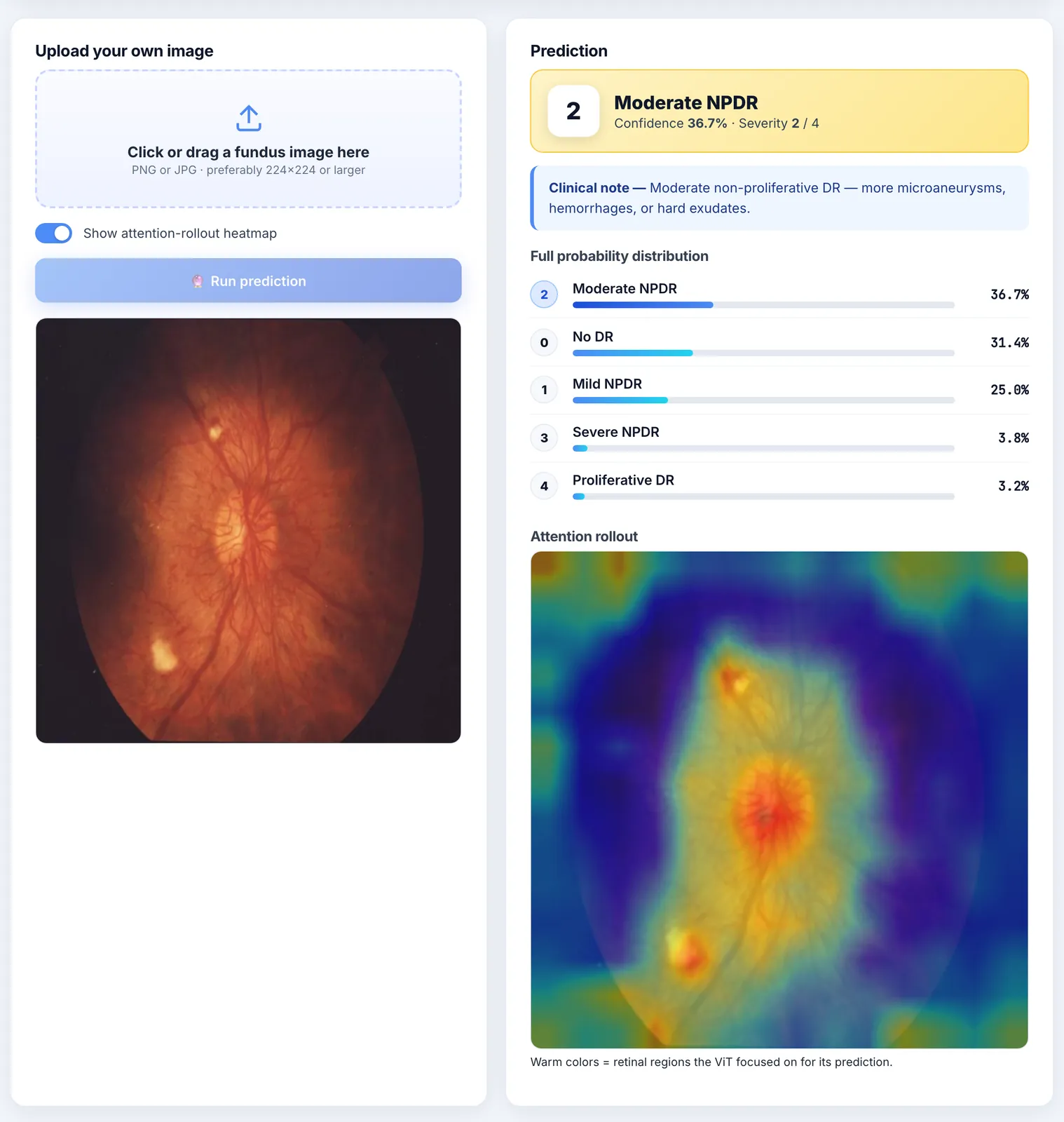
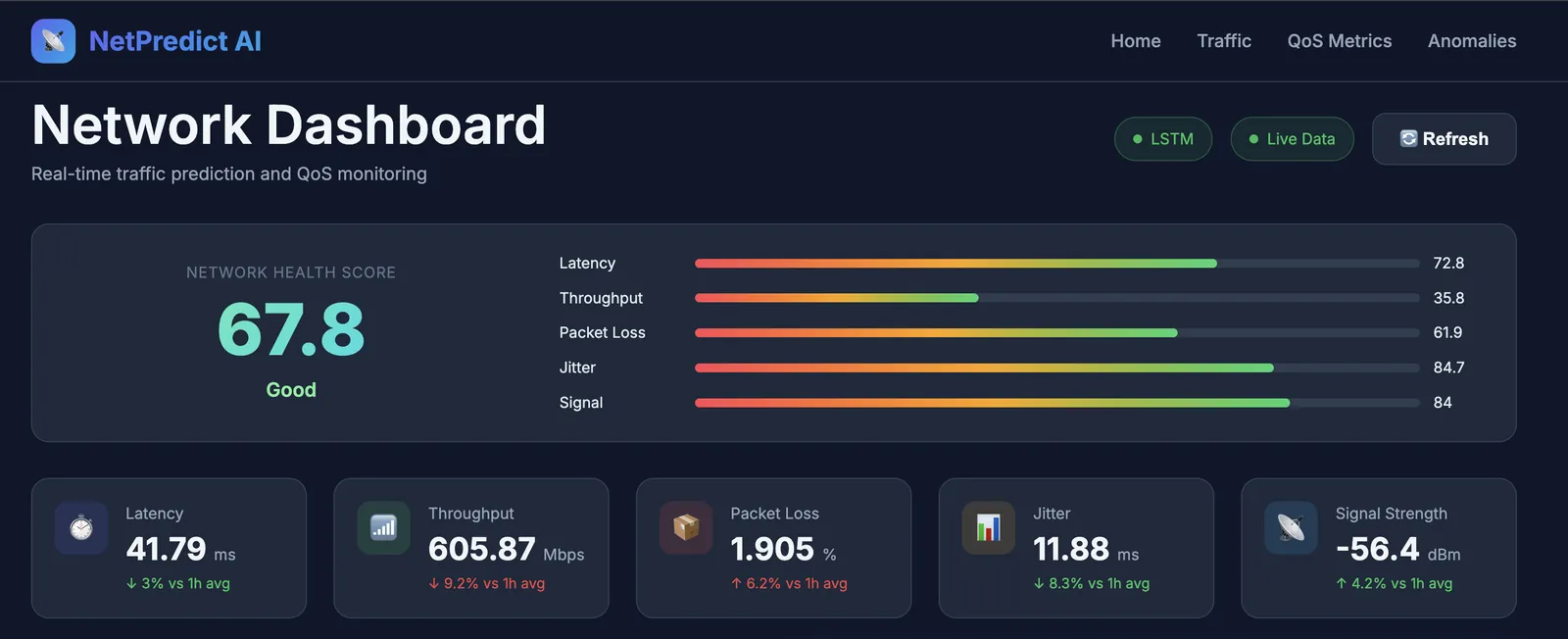
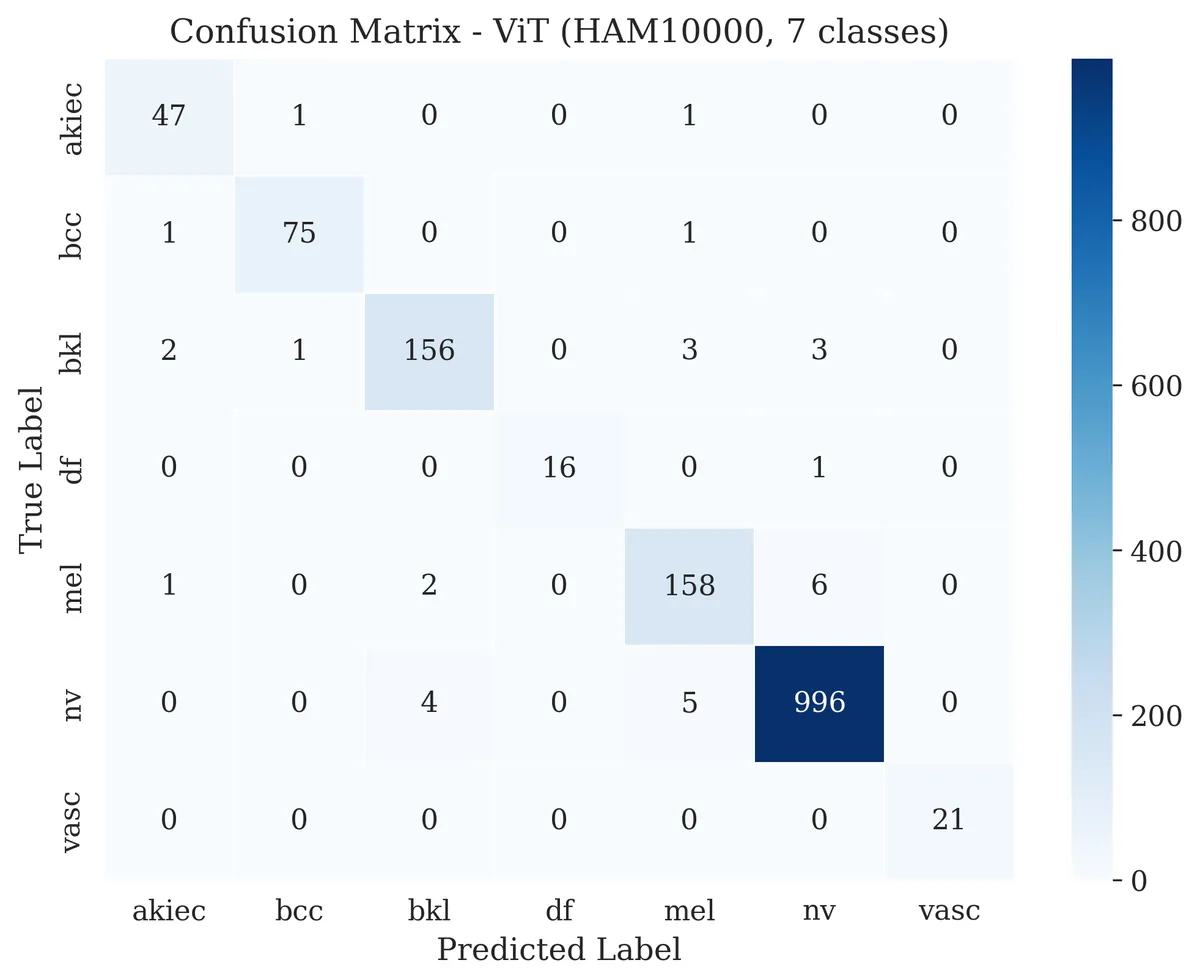
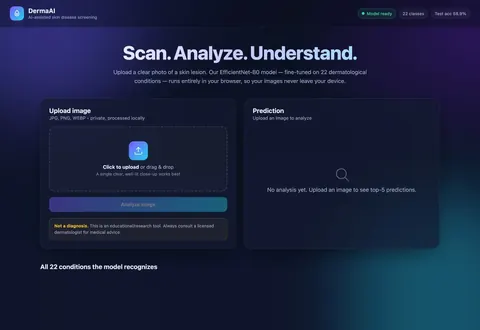
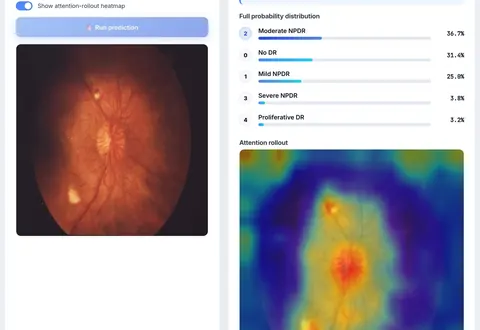
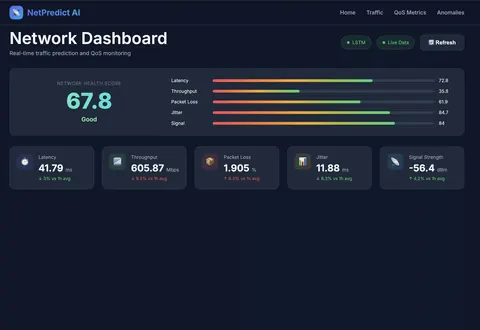
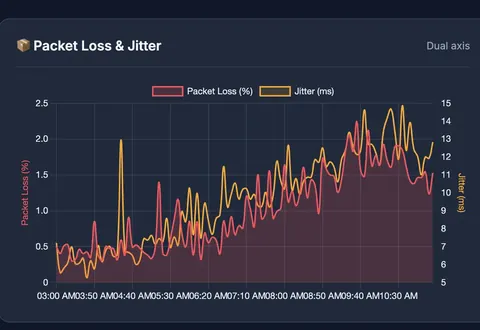
No. The lists are topic ideas to help you choose; they are not projects we have already built, and no idea comes with results. Our delivered work is in eight case studies, all M.Tech and M.E. projects, such as network traffic prediction with a Bi-LSTM and skin disease detection in the browser.
If you want an idea built for your course, with code, report, PPT and viva preparation, see final year projects for CSE and IT students, M.Tech projects or IEEE projects. For writing formats, our research writing guides cover IEEE papers, synopses and theses.
Examiners ask why you chose a topic and what you changed. Add a local dataset, a different metric or one extension of your own, and you will have an answer.
Frequently asked questions
Which project ideas list should ECE and EEE students use?
ECE, EnTC and EXTC students have their own list of final year projects for ECE and EnTC, covering VLSI, embedded, communication, DSP and RF. EEE students building with a board and sensors will find the IoT list the closest fit.
What is the difference between a mini project and a major project?
A mini project proves one technique works: one model on one dataset, or one sensor reading shown on one dashboard, with a short report. A major project wraps that technique in a system someone could use, with testing against a baseline, a full report, a PPT and a live demo. The CSE and IT ideas list compares the two in more detail.
Are there project ideas for M.Tech and PhD students?
Yes. The M.Tech project ideas list has 20 ideas, each with the research problem, the output, where to start and what to measure. The PhD list has 20 research topics in engineering, each with the problem, the expected output, why it is open and a first step.
Can I do a final year project with a Kaggle dataset?
Yes. Our list of ML projects with Kaggle datasets covers 25 popular ones, each with its dataset link, its licence and what to change at M.Tech level. Cite the dataset, follow its licence and add something of your own, such as a local dataset, a different metric or one extension.
Can you build one of these ideas with me?
Yes. Tell us your level, the idea and your review dates. You get the code, the report, the PPT and viva preparation, with a free consultation and a fixed quote before any work starts. For computer science teams, see final year projects for CSE and IT students, and follow your college’s rules on outside help.