
This PhD assistance works alongside your supervisor, not instead of them, and the research decisions stay yours.
What are the stages of a PhD, and where does PhD assistance help?
Most Indian universities follow the UGC’s PhD rules, so the path looks broadly similar everywhere. Your university’s ordinance sets the details. Guidance can start at any stage:
- Area and topic. Pick a problem that is new, has data you can get, and fits your supervisor’s expertise.
- Coursework. Usually includes research methodology and research and publication ethics. We explain concepts; the coursework and exams are yours.
- Research proposal and synopsis. Presented to your research advisory or departmental committee for approval.
- Literature review. A structured map of prior work that ends in a clearly stated gap.
- Experiments and analysis. Implementation, simulation and data analysis, often in Python or MATLAB.
- Papers and progress reviews. Publications, plus a progress presentation to your committee, usually every six months. Check each journal on the Scopus indexed journals list, and ask your department what it accepts now (is the UGC CARE list discontinued?).
- Thesis, pre-submission seminar and viva. Covered on our PhD thesis writing page; the PhD thesis format guide covers structure, layout rules and a submission checklist.
What does PhD guidance include?
You choose the stages you need. Each one has its own deliverable, dates and support:
| Deliverable | Format | Timeline | Support |
|---|---|---|---|
| Topic shortlist | A few candidate topics, each with notes on novelty, data and feasibility | The first milestone | Discussed until you can pick one with your supervisor |
| Proposal or synopsis | Your university’s format, in Word or LaTeX, plus a presentation deck | Worked back from your committee date | Revised after supervisor and committee comments |
| Literature matrix | Spreadsheet of papers (method, data, result, limitation) and a written review | Alongside the synopsis | Updated as the field moves |
| Experiments | Python or MATLAB code with a run guide, results tables and figures | Scoped per experiment, dates in the plan | Walkthroughs until you can run and change it |
| Review presentations | Slides for progress reviews | Before each review | Rehearsal with likely questions |
The quote lists each stage you choose. Papers are covered under research paper writing services.
What goes into a PhD synopsis?
A synopsis sets out the problem, three or four testable objectives, the literature and the gap, the proposed method with a framework figure, and a work plan. The section-by-section format and a worked computer-science outline are in our PhD synopsis format guide; if you are applying for admission, see the guide to the research proposal for PhD admission.
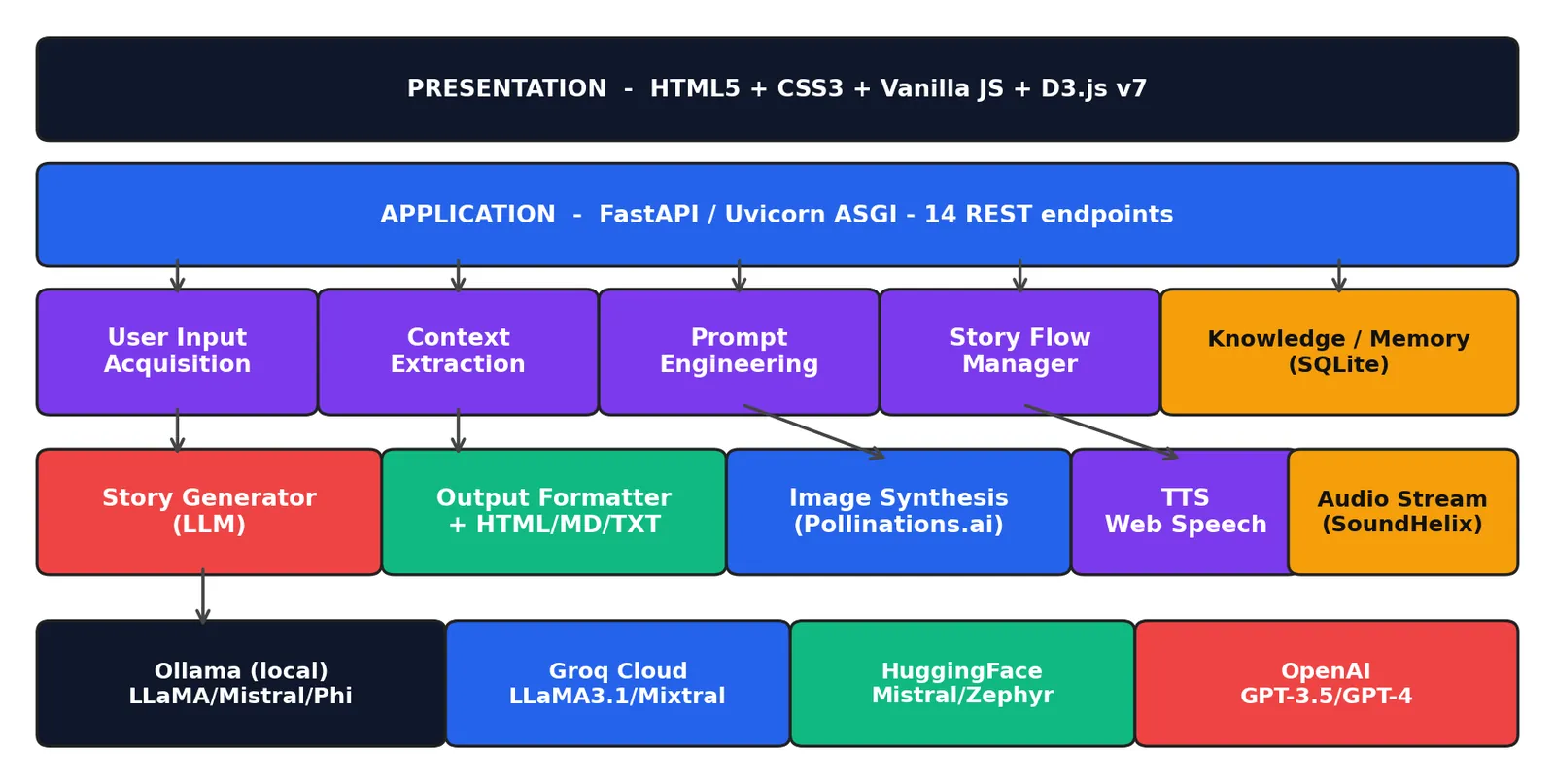
The most common reason a synopsis is sent back is a vague gap. Showing where existing systems fall short, dimension by dimension, makes it concrete:
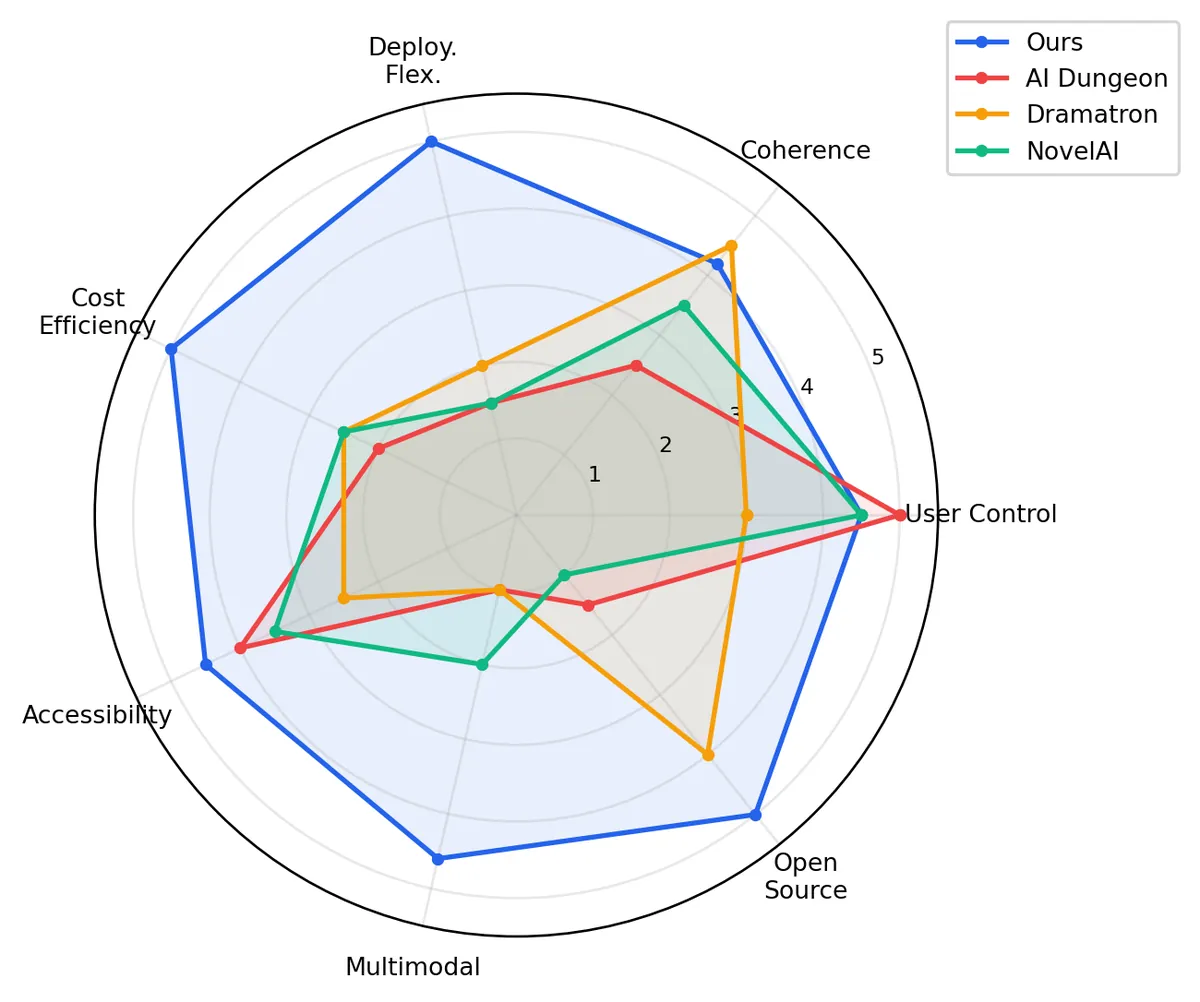
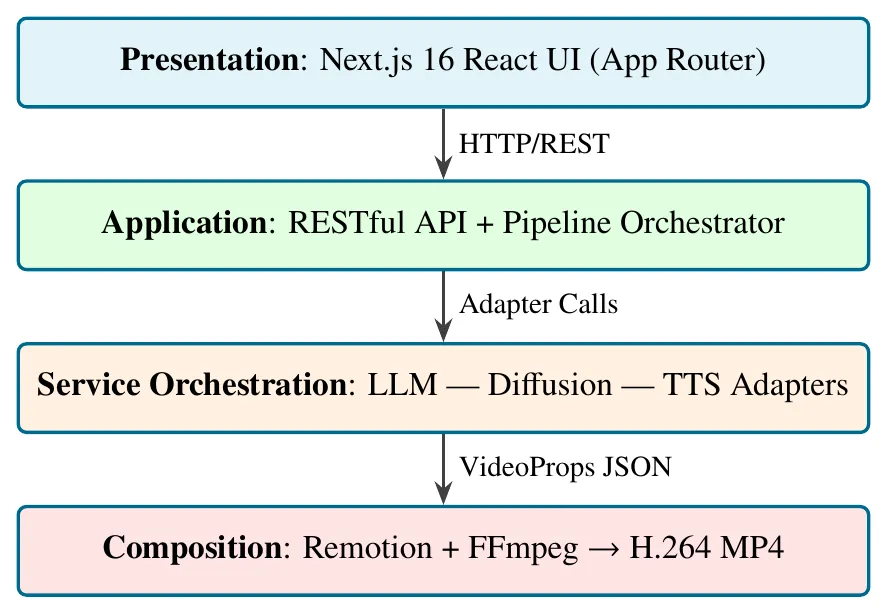
From delivered M.Tech work, not PhD research. Shown with student, guide and institute details removed.
How do you choose a PhD topic?
Judge any topic on five things: novelty against the last few years of papers, access to data, the compute it needs, your supervisor’s expertise, and whether it can yield two or three publishable results. For starting points, see our list of PhD research topics in computer science, grouped by area and labelled as ideas to discuss with your supervisor. In the consultation, you get a shortlist matched to your own area.
Who is this PhD help for?
- Applicants preparing a research proposal for admission or an interview.
- Newly registered scholars choosing a topic or facing the first committee review.
- Mid-PhD scholars stuck on experiments, analysis or a difficult review.
- Working professionals on a part-time PhD who need structure and momentum.
Scholars anywhere in India work with us online. If you are in Mumbai, see our base in Chembur, Mumbai. Once the research is done, PhD thesis writing services take it chapter by chapter.
How does it work?
Free consultation
Tell us your area, current stage, supervisor’s expectations and next review date.
Plan and fixed quote
The stages you want, with dates and a fixed price in writing.
Build and review
Drafts, code and analysis shared as they progress, revised with you and your supervisor.
Handover and review prep
Final files, a walkthrough and rehearsal for your committee or viva.
Our work is guidance, building support and explanation. Your supervisor remains your guide of record, the research choices are yours, and your university’s policies apply to everything you submit.
Frequently asked questions
What does PhD guidance include?
Support at the stages you choose: a topic shortlist, the proposal or synopsis, a literature matrix and review, experiments with code and results, and slides and rehearsal for progress reviews and the viva. It runs alongside your supervisor, who remains your guide of record.
How much does PhD guidance cost?
It depends on the stage and how much support you want, from one synopsis to help across several years. After the free consultation you get a written, fixed quote for the agreed stages, before any work starts.
How long does it take to prepare a PhD synopsis?
It is planned around the date of your review committee meeting, working back from it. Longer guidance is split into stages, each with its own dates in the written plan.
Is the proposal or synopsis original?
Yes. It is written for your topic, with every source cited, and a similarity report is available on request. Your university’s own check is the one that counts.
Can you suggest PhD topics in computer science?
Yes. You get a short list of candidate topics, each with notes on novelty, data and feasibility, to discuss with your supervisor; our list of PhD topics in computer science is a good place to start. The final choice is yours and your supervisor’s, and your topic and data are never shared with anyone else.
What if my supervisor or committee asks for changes?
Changes within the agreed scope are included. Send the comments from your supervisor or review committee and the work is revised.
Is taking outside PhD guidance allowed?
Your supervisor remains your guide of record, and your university’s rules apply. Use this support for explanation, feedback and preparation, keep the research decisions your own, and follow your institution’s policies on help and disclosure.